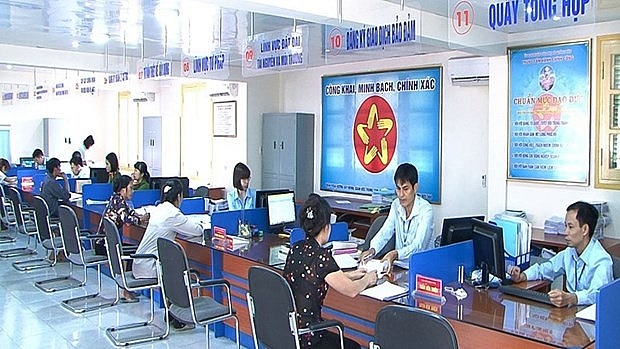
Vietnam highlights reforms to unlock new wave of high-quality FDI

In May, the government issued three new resolutions aimed at reducing and amending conditional business sectors, decentralising authority, and simplifying administrative procedures and business conditions under a special mechanism designed to address legal delays pursuant to National Assembly Resolution No.206/2025/QH15.

In less than one month, the government has issued 11 resolutions abolishing 56 conditional business sectors and amending regulations for another 14 sectors. Together with ministerial circulars, these measures have decentralised 321 administrative procedures from central to local authorities, cut 697 procedures and 1,754 business conditions, simplified another 704 procedures and reduced compliance costs by approximately 54.6 per cent.

The core targets set out in Conclusion No.18-KL/TW of the Central Committee of the Communist Party of Vietnam have been largely achieved.

The time required to carry out administrative procedures has been reduced by 53 per cent, and administrative compliance costs by 54.6 per cent compared to 2024. Eleven resolutions recently issued by the government alone may save approximately $900 million annually.

In addition, the government and the prime minister are resolutely directing ministries and ministerial-level agencies to continue decentralising, reducing, and simplifying administrative procedures and business registration through amendments to decrees and circulars.

Vietnam is now entering a new phase of competition in foreign direct investment (FDI) attraction, centred on reform. Many foreign investors have already begun to notice these changes, bringing the country closer to attracting higher-quality and higher-tech investment flows in the coming years.

“Investment licensing procedures are being shortened from 30 days to 7–15 days. In some high-tech sectors, investment licensing requirements are even waived, while investors can benefit from preferential tax policies, including the ‘four-year exemption and nine-year reduction’ incentive scheme. This provides a strong foundation for attracting semiconductor, electronics and high-tech industries to Vietnam,” said Nguyen Phuong Nga, deputy CEO of CNCTech Group in Thang Long Industrial Zone, Phu Tho province.

Several “green lane” mechanisms have been activated to shorten processing times and facilitate new projects. In particular, Phu Tho Province has reorganised its administrative procedures under a more interconnected model, enabling closer coordination among departments while reducing unnecessary steps. Priority applications are classified and monitored separately to minimise delays and improve coordination among authorities.

Among these initiatives, the “24-hour green lane” has been introduced for selected investment and labour-related procedures. Applications that meet all required conditions can now be received, processed and returned within 24 hours, instead of several days as before.

Procedures eligible for expedited handling include adjustments to investment projects in certain cases; re-issuance, replacement or correction of Investment Registration Certificates; as well as the re-issuance and extension of work permits for foreign employees in Vietnam.

Efforts to streamline procedures and support business investment and production have delivered tangible results, helping companies save both time and costs.

“When we bring foreign investors to Bac Ninh, the province can immediately provide information on available industrial land, pricing and even arrange on-site visits right away. In some cases, responses are delivered within just one day,” said Ben Ding Khoon Yew, CEO of Soilbuild International Group, the developer of two ready-built factories and warehouses in Bac Ninh province.

Vietnam’s traditional advantage of low-cost labour is steadily eroding. Investors are now looking beyond tax incentives, placing greater weight on infrastructure quality, skilled labour availability, logistics capacity, power reliability and the stability of the legal framework.

“The competition for FDI is no longer about low costs, but the quality of the investment environment,” said British Chamber of Commerce Vietnam chairman Denzel Eades. He said Vietnam must strengthen its competitiveness by improving transparency, consistency and predictability in policymaking, while ensuring more effective law enforcement.

Concerns also persist over the effectiveness and implementation of administrative procedures related to investment and business activities. At a mid-May meeting in Hanoi between the Central Commission for Policy and Strategy, ministries, agencies and foreign business associations, overseas investors raised a number of recommendations.

While investors acknowledged improvements in the issuance of Investment Registration Certificates and Enterprise Registration Certificates, they said so-called “sub-licences” remain a major delay. Inconsistent implementation across localities also continues to raise costs and risks, with provinces often applying regulations differently.

Seck Yee Chung, vice chairman of the Singapore Business Association in Vietnam, said that business licensing procedures still take considerable time, particularly for foreign-invested enterprises. “This is an issue that the business community has repeatedly raised and hopes the authorities will soon address and resolve in the coming period.”

Bruno Jaspaert, chairman of the European Chamber of Commerce in Vietnam, suggested that during the revision of the Land Law, Vietnam could consider extending land lease terms to 90 years or longer, instead of the current common duration of 50 years.

According to him, longer land lease periods would give investors greater confidence in developing long-term strategies, particularly for projects with lengthy investment cycles and extended capital recovery periods, thereby enhancing the attractiveness of Vietnam’s investment environment.

“Many companies signed 50-year land lease agreements years ago, but as those terms approach expiration, the lack of clarity surrounding renewal conditions is creating difficulties for long-term investment planning,” he said. “Without certainty about future conditions, businesses will hesitate to upgrade or expand their projects. This is an issue Vietnam should address soon with clearer policy direction.”

Over the past decade, FDI has become one of the key pillars of Vietnam’s economy. From an economy once heavily reliant on public investment and state-owned enterprises, Vietnam is increasingly depending on the private sector and international capital.

Total social investment during 2021-2025 reached approximately $666 billion. Of this, the state sector accounted for only 27 per cent, while as much as 73 per cent came from domestic private businesses, foreign-invested enterprises and other non-state sources.

FDI has remained one of the strongest contributors to economic growth. During the same period, realised FDI capital increased by around 1.5 times, from $114 billion to approximately $165 billion, now accounting for roughly 16 per cent of total social investment.

According to the Ministry of Finance, Vietnam’s cumulative registered FDI has now reached around $184 billion, of which approximately $158 billion has been disbursed, equivalent to about 85 per cent of total committed capital. This relatively high disbursement ratio, compared with many regional peers, reflects Vietnam’s improving capacity to absorb investment capital.

Ho Chi Minh City introduces special procedures for industrial zone investment projects Ho Chi Minh City introduces special procedures for industrial zone investment projects

Ho Chi Minh City Export Processing Zones and Industrial Parks Management Authority will apply special investment procedures to special investment projects.

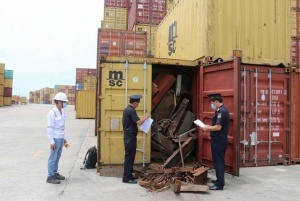
Vietnam moves to repeal inter-agency scrap import regulation Vietnam moves to repeal inter-agency scrap import regulation

Vietnam’s Ministry of Finance is proposing to repeal a key inter-agency scrap import regulation as environmental rules mature, and the government pushes to simplify overlapping administrative procedures.

Tax circular amendments aim to ease import-export procedures Tax circular amendments aim to ease import-export procedures

The Ministry of Finance is accelerating reforms to modernise import-export tax administration, expand digitalisation, and create a more transparent regulatory framework.

UAE leaves OPEC: What should Vietnam do amid new oil market volatility?
Prof. Dr. Andreas Stoffers, FOM University of Applied Sciences, Essen/Germany

The UAE’s withdrawal from the Organization of the Petroleum Exporting Countries (OPEC) on May 1 is merely a short-term oil market event. Rather, it reveals something far more fundamental: global energy markets are becoming more fragmented, more geopolitically sensitive and significantly more driven by national strategies and interests.

Sooner or later, the situation in the Strait of Hormuz will normalise, and the Emirates’ freedom from quota restrictions will gain in importance. Markets will then watch very closely whether and to what extent Abu Dhabi actually increases output, and whether the other producers will question the discipline of the OPEC system.

Abu Dhabi’s decision is a strategic repositioning. In future, the UAE does not want to be seen merely as an oil producer, but as an energy, industrial and investment hub with greater flexibility across several economic sectors. Thus, this withdrawal should not be understood only in terms of oil, but as a step towards strategic autonomy: the freedom to transform its own energy resources into industrial growth, global investment power and diversified national value creation. For markets worldwide, this means that there will eventually be more supply available, but at the same time, less predictability.

How will Vietnam be affected?

For Vietnam, this development is both an opportunity and a warning. If the Emirates eventually produces more outside the quota system, this could help to ease global oil prices. This would be positive for energy-importing markets. Lower oil prices reduce inflationary pressure, lower logistics and transport costs, and support household purchasing power.

This affects Vietnam directly. The country is one of the most open countries in Asia and is deeply integrated into the global economy. Vietnam’s growth model depends strongly on manufacturing, exports, logistics and global value chains. Energy prices directly affect production costs, freight costs, import prices, export competitiveness and inflation.

However, I would not be too optimistic too quickly. The larger lesson from the UAE’s exit is that energy markets are becoming increasingly unpredictable. Today, the issue is OPEC coordination. Tomorrow, it might be another maritime chokepoint, a geopolitical conflict, higher shipping insurance costs, currency pressure or a sudden disruption in supply chains. We should be aware that black swan events can occur at any time, anywhere.

For a country like Vietnam, the key issue is not whether the oil prices go up or down next week. The key issue is volatility. Volatility makes planning more difficult for companies, investors, and policymakers. It affects corporate calculation, inflation, interest rates, exchange rates and public finances.

In short: falling oil prices would, of course, be welcome for Vietnam. But the biggest issue is not today’s price level, but rather volatility. Vietnam should therefore use this period as a warning signal. The country should strengthen its own energy security, diversify its supply and accelerate the modernisation of its energy system and digital economy.

Over the past year and a half, Vietnam has already launched a wide range of reform initiatives aimed at making the economy more resilient and more productive. These include the emphasis on private sector development (Resolution 68), legislative and administrative reforms under Resolution 66, the focus on science, technology, innovation and digital transformation under Resolution 57, and the Law on the Digital Technology Industry (DTI). In this broader reform context, energy security is not separate from economic development. This strengthening of resilience plays a key role in many of these reforms.

However, it would be fatal to simply rest on these laurels and hope that the economic rise of recent years will simply continue. From my own experience in Vietnam – both in banking and in policy-related work – I would say that Vietnam is very good at reacting quickly to external shocks. This has been visible several times over the past decades. But the next stage of development requires more than fast reaction. It requires structural preparation.

Vietnam’s ambition is to become a modern industrialised country by 2045. Such an economy cannot rely solely on cheap energy. It requires a secure, diversified, affordable and predictable energy supply. This is even more important in an age of digitalisation and AI, where data centres, advanced manufacturing, including additive manufacturing and sophisticated logistics will all require a reliable electricity supply in large quantities.

Vietnam should consider three dimensions in its energy policy: security, competitiveness and transformation. Energy supply must be secure enough to protect the economy from external shocks. At the same time, it must be competitive enough to support manufacturing and exports. And it must be modern enough to support Vietnam’s long-term energy transition without weakening industrial competitiveness.

Four strategic priorities

My conclusion regarding Vietnam is that the country should adopt a pragmatic approach. Vietnam should not attempt to predict oil prices with absolute accuracy. No country can do that. Instead, Vietnam should focus on resilience. In my view, four priorities are particularly important.

First, Vietnam should diversify its energy supply and avoid excessive dependence on a single region or shipping route. The current situation vividly demonstrates how vulnerable global trade can become when one major chokepoint is disrupted.

Second, Vietnam should strengthen strategic reserves and contingency planning. This does not only concern the state, but also large companies, small- and medium-sized enterprises, logistic providers and industrial zones. The target should be better risk management for energy and transport costs.

Third, Vietnam should accelerate its domestic energy transition pragmatically. This includes renewable energy, grid investment, energy efficiency, storage capacity, and liquefied natural gas wherever appropriate. Nuclear energy could also be an option in the longer term, provided there is a clear framework of safety, financing and regulatory capacity.

Fourth, Vietnam should link its energy policy more closely with its industrial policy. This includes improving risk management for companies and public institutions that are heavily dependent on energy and logistics costs

The current oil shock should not be viewed solely in a negative light, but rather as a wake-up call. It reminds us that an industrialising country needs to work even harder on the resilience of its economy. What makes me optimistic is that Vietnam’s policymakers increasingly understand this connection. Energy security, energy transition and digital modernisation are no longer separate agendas. They belong together. For Vietnam, this could become a decisive competitive advantage in the next stage of development.

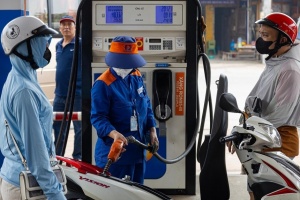
National Assembly approves zero tax on petrol, oil, aviation fuel National Assembly approves zero tax on petrol, oil, aviation fuel

The National Assembly has unanimously approved sweeping tax cuts on petrol, oil and aviation fuel, reducing key rates to zero through June 30 in a bid to cushion domestic markets against volatile global energy prices.

Fuel imports rise in first quarter amid global market volatility Fuel imports rise in first quarter amid global market volatility

Vietnam has ramped up fuel imports in the first quarter of the year amid global energy market volatility due to the tensions in the Middle East.

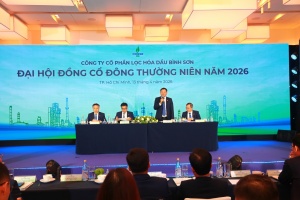
BSR secures three months of crude supply for Dung Quat refinery BSR secures three months of crude supply for Dung Quat refinery

Binh Son Refining and Petrochemical has secured enough crude oil to operate its Dung Quat refinery for the next three months amid Middle East supply disruptions.

How do you see the broader role of businesses evolving in shaping long-term social and economic outcomes, particularly for future generations?

Corporate activity inevitably interacts with the social and economic environment in which it operates. Employment practices influence the wellbeing of families, supply chains shape livelihoods across local economies, and technological ecosystems affect how younger generations access education, information and employment opportunities.

These dynamics mean that the long-term strength of an economy, and the sustainability of businesses operating within it, depends in part on the development of future talent. Companies that adopt a long-term strategic perspective therefore tend to view investments in education, skills and youth development as closely aligned with broader economic resilience.

Many of these impacts are not immediately visible in day-to-day business performance. Why is it important for companies to recognise and address them early?

From a business leadership point of view, many risks do not appear suddenly; they build gradually through everyday operational decisions.

When companies look carefully at their value chain, they can see how workplace conditions affect employees and their families, how supply-chain practices influence communities, and how technology shapes the way younger generations access education and opportunities.

As a CEO, I believe responsible management requires paying attention to these signals early. Addressing potential risks before they escalate allows companies to maintain trust with partners, employees and society. In the long term, this approach contributes to more resilient operations and a stronger foundation for sustainable growth.

Why investing in future skills is becoming a strategic priority for businesses in Vietnam
Strengthening the connection between education systems and labour markets contributes to employment opportunities for young people. Photo credit: UNICEF Vietnam

How does this long-term perspective translate into the way Omoda & Jaecoo approaches its presence and engagement in Vietnam?

Our approach to social engagement is closely aligned with our long-term business strategy.

Omoda & Jaecoo is building a long-term presence in Vietnam through investments in manufacturing, technology and distribution networks. Alongside these investments, we also consider how businesses can contribute to the development of human capital.

Education and workforce readiness are particularly relevant in this context. A capable and adaptable workforce supports innovation, productivity and sustainable economic growth.

Initiatives that strengthen future skills therefore align naturally with the long-term interests of companies operating in a fast-changing economy. That’s why Omoda & Jaecoo, as part of Chery Group, has partnered with UNICEF Vietnam in a three-year partnership.

Through this collaboration, Omoda & Jaecoo’s contribution will enable UNICEF Vietnam to respond to persistent education challenges, including the digital divide, skills mismatches between education and the labour market needs, and growing concerns around adolescent mental health and wellbeing. 

What considerations led Omoda & Jaecoo to partner with UNICEF?

The partnership builds on the broader global partnership between CHERY Group and UNICEF focused on education and youth development.

In Vietnam, we saw an opportunity to contribute to programmes addressing challenges related to digital capability, school-to-work transition and youth wellbeing. These issues are becoming relevant as economies undergo rapid technological change.

UNICEF has in-depth experience working with governments and education systems, as well as a strong understanding of how programmes can reach children and adolescents across different communities. From a corporate standpoint, partnering with an organisation that has this level of expertise helps ensure that contributions are connected to long-term development priorities.

Why investing in future skills is becoming a strategic priority for businesses in Vietnam
Omoda & Jaecoo partners with UNICEF Vietnam to equip children and youth with future-ready skills through inclusive education. Photo credit: UNICEF Vietnam

The partnership places a strong focus on future skills and youth development. Why are these areas becoming relevant for businesses today?

Global labour markets are evolving quickly due to technological innovation, digitalisation and the transition towards greener industries.

These changes are reshaping the skills required in many sectors. Digital literacy, problem-solving, adaptability and cross-disciplinary capabilities are increasingly valued by employers.

Many companies also observe gaps between educational outcomes and workforce needs. Strengthening the connection between education systems and labour markets therefore contributes to economic competitiveness as well as employment opportunities for young people.

Through our partnership with UNICEF Vietnam, we support initiatives that expand access to digital, green and transferable skills, helping young people prepare for the demands of a rapidly evolving economy.

As a company driven by smart technologies and innovation, what role can Omoda & Jaecoo play in strengthening the connection between education and workforce readiness?

Innovation-driven companies can contribute valuable perspectives on emerging technologies and workforce requirements.

Industries that operate at the frontier of technological development have insights into the skills that will be required in future sectors. Sharing these insights with education systems can help strengthen the alignment between training initiatives and labour-market needs.

Technology can also expand access to learning resources and support new models of education. Collaboration with organisations such as UNICEF provides an opportunity to apply technological capabilities within programmes designed to strengthen skills development and future employability.

How does this focus on human capital development align with Omoda & Jaecoo’s long-term strategy in Vietnam?

Vietnam represents a crucial market within our regional development strategy. Our approach, summarised by the principle ‘In Vietnam, For Vietnam’, reflects our intention to build a sustainable presence in the country through manufacturing investment, technology development and collaboration with local partners.

Human capital development is closely linked to this long-term perspective. A skilled workforce supports innovation capacity and economic dynamism. Engagement in initiatives that strengthen education and future skills therefore contributes to the broader environment in which businesses operate and grow.

Looking ahead, how do you see the role of businesses evolving in addressing broader challenges such as workforce readiness, digital inclusion and sustainable growth?

The role of business in society continues to evolve as expectations around responsible governance increase. Companies today contribute capabilities that include technological innovation, operational expertise and global networks. These capabilities can support collaborative initiatives addressing complex challenges such as workforce readiness, digital inclusion and sustainable growth.

Partnerships between businesses, governments and international organisations create opportunities to scale programmes that support education, skills development and economic inclusion.

From a long-term perspective, investment in young people contributes to stronger labour markets, resilient communities and sustainable economic development. These outcomes ultimately support a stable and productive environment for business.

Vietnam prioritises women shaping the future of science, technology, and innovation: Official Vietnam prioritises women shaping the future of science, technology, and innovation: Official

National Assembly (NA) Vice Chairwoman Nguyen Thi Thanh reaffirmed that Vietnam remains firmly committed to promoting gender equality and empowering women at a meeting in Hanoi on March 4 with Caroline Nyamayemombe, UN Women Representative in Vietnam, and Michaela Bauer, UNICEF Deputy Representative in Vietnam.

Embassy of Japan, IOM and UNICEF visit typhoon-hit communities in Cao Bang Embassy of Japan, IOM and UNICEF visit typhoon-hit communities in Cao Bang

Japanese Ambassador to Vietnam Ito Naoki, and representatives from the Embassy of Japan, the International Organization for Migration (IOM) and the United Nations Children’s Fund (UNICEF) have concluded a visit to Cao Bang province highlighting the achievements and progress of relief efforts funded by the government of Japan.

Kimberly-Clark and UNICEF strengthen child and maternal healthcare Kimberly-Clark and UNICEF strengthen child and maternal healthcare

Kimberly-Clark Vietnam and UNICEF renew partnership with a $2.05 million commitment to expand essential care for mothers, newborns, and girls nationwide.

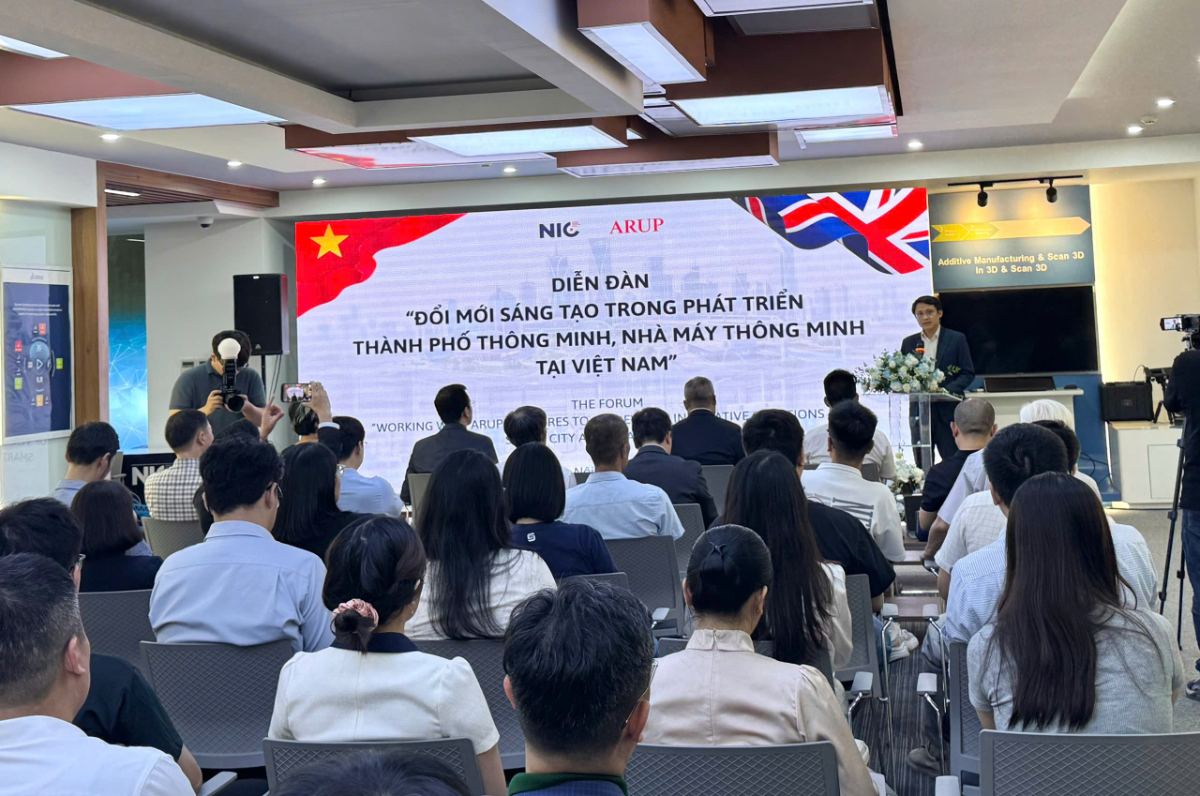
On May 15, Hanoi’s National Innovation Centre (NIC), under the Ministry of Finance, in collaboration with Arup Ventures, hosted a forum on innovation in developing smart cities and smart factories in Vietnam.

Smart cities, factories critical to national competitiveness
Vo Xuan Hoai, deputy director of NIC

Experts at the event said smart cities and smart factories are no longer experimental concepts, but are becoming key drivers of the digital and green economy. While smart cities integrate data and technology to optimise urban governance, resource efficiency, quality of life and climate resilience, smart factories represent the core of next-generation manufacturing, where AI, big data, the Internet of Things (IoT), automation, and Digital Twin technologies are deeply integrated to improve productivity, product quality and participation in global value chains.

Vo Xuan Hoai, deputy director of NIC, stressed that national competitiveness is increasingly determined by a country’s ability to integrate data, connect infrastructure systems, and master core technologies – as much as by market size or natural resources.

Vietnam is facing a major opportunity to accelerate its development as many localities have begun implementing next-generation urban planning strategies, while domestic technology and industrial enterprises are gradually developing smart manufacturing complexes powered by AI, Digital Twin technologies, and advanced automation.

“Developing Vietnamese smart city and smart factory platforms will enhance governance capacity and labour productivity, while creating a foundation for Vietnam to achieve double-digit growth, strengthen technological self-reliance, and build globally competitive strategic industries,” he said.

Dao Thi Nhu from the Urban Development Agency under the Ministry of Construction shared the government’s orientation toward building a synchronised policy framework for smart urban development based on interoperable data systems and citizen-centric governance.

At the same time, Resolution No.57-NQ/TW, issued by the Politburo in 2024, sets a target for Vietnam to complete the development of smart urban systems in centrally governed cities and qualified localities by 2030 as part of the country’s broader agenda on sci-tech and digital transformation.

She noted that one of the most urgent requirements today is to transform urban planning and management from traditional administrative models to real-time, data-driven digital governance. Such an approach, she said, would help optimise infrastructure operations and improve the management of transport, energy, environmental systems and urban public services.

“Smart urban development must be closely aligned with urban planning and sustainable development goals. Urban data should serve as the core foundation, while people and businesses must remain at the centre of the development process, alongside ensuring information safety and cybersecurity,” she said.

From an international perspective, Ricky Tsui, director and head of Investment and Business Development for Asia-Pacific at Arup, shared experiences in implementing smart urban and intelligent infrastructure models across developed economies.

Tsui explained that as cities face growing pressures from population growth, environmental sustainability, and energy demand, digital technologies and real-time data systems will function as the ‘central nervous system’ of smart cities. “By continuously collecting, analysing, and processing data, these systems enable governments to monitor operations, forecast risks, and make more accurate and timely decisions in infrastructure, transportation, energy, and environmental management,” he said.

“Digital Twin technology supports infrastructure planning and operational simulations, while helping cities anticipate risks, optimise resources, and improve resilience against socioeconomic disruptions and climate change,” Tsui added.

Smart cities, factories critical to national competitiveness
Ricky Tsui, director and head of Investment and Business Development for Asia-Pacific

Experts at the forum also noted that Vietnam has strong potential to master core technologies in AI, cybersecurity, and IoT if supported by long-term investment strategies and a robust innovation ecosystem. As data increasingly becomes a strategic asset, ensuring cybersecurity and protecting critical infrastructure systems will be a prerequisite for future smart city models.

The forum featured in-depth presentations from leading domestic and international technology corporations on strategic solutions supporting the dual transformation of urban digitalisation and smart industrial manufacturing.

Representatives from Dassault Systèmes highlighted the role of Digital Twin technology in connecting the physical and digital worlds, enabling real-time simulations of the entire lifecycle of cities, factories, and industrial infrastructure. The company described Digital Twin as a foundational technology of the next industrial revolution, helping reduce operational costs, optimise manufacturing processes, save energy, and improve data-driven decision-making.

Tran Tuan Anh, vice president and chief product officer of FPT IS, focused on the data challenges facing Vietnam’s smart city development. “The greatest challenge is not a lack of data, but fragmented systems, limited interoperability and the absence of unified data governance platforms across sectors and government agencies,” he said.

Drawing on practical experience in deploying large-scale digital platforms, FPT proposed the concept of an ‘Urban Digital Twin’ as a next-generation governance tool capable of synchronising data related to planning, transport, construction, energy and environmental management to support real-time urban operations and decision-making.

At the same time, Doan Manh Ha, CEO of BKAV, underscored the importance of developing Vietnamese-made AI and IoT platforms to support smart urban development while safeguarding national technological security.

Under its ‘AI City’ vision, BKAV believes future cities will operate on integrated AI platforms deeply connected with sensor networks, converged data systems and intelligent connectivity infrastructure.

A panel discussion on advancing digital transformation in cities and smart factory development brought together representatives from universities, research institutes, technology firms, and international experts to discuss building innovation ecosystems for strategic technology sectors.

Participants agreed that the development of smart cities and smart factories is not solely a technological challenge, but a comprehensive restructuring of socioeconomic development models in which people, data and innovation play central roles. They also stressed the need to strengthen linkages between scientific research, workforce training, technology enterprise development and the commercialisation of Vietnamese-made solutions, while expanding international cooperation to absorb advanced knowledge and technologies and improve global competitiveness.

Partnership advances climate-smart rice value chains Partnership advances climate-smart rice value chains

The Australian Centre for International Agricultural Research, the University of Queensland, and SunRice Group on March 12 announced an extension of their research partnership to advance climate-smart rice production in the Mekong Delta.

Smart factories or bust: decision time in 2026 Smart factories or bust: decision time in 2026

In many Vietnamese factories, transformation does not begin with a robot arm or a fully automated line but starts with the simple realisation that the old model no longer scales.

Vietnam to increase IoT application in transport Vietnam to increase IoT application in transport

Vietnam’s construction sector will strengthen the application of the Internet of Things in smart transport in line with national digital transformation.

Finance ministry to remove bottlenecks for private businesses
MoF to remove bottlenecks in business conditions for private businesses

The work is to protect property rights, freedom of business, and equal competition for the private sector, and ensure the enforcement of contracts for private businesses.

To participate in this process, the Vietnam Chamber of Commerce and Industry (VCCI) is responsible for requesting enterprises and associations to provide information and opinions on inadequacies, obstacles, and/or overlaps in the implementation of laws related to investment, production, business, contract conclusion, and execution.

These obstacles include overlapping, inconsistent, unclear, or impractical regulations; unreasonable business conditions and administrative procedures that generate compliance costs and hinder business operations.

The VCCI requests that businesses submit their proposals before May 20 so that they can be compiled and reported to the MoF in time.

Besides that, departments and agencies under the MoF must prepare and submit reports on the situation and preliminary results of the overall review for consolidation before June 10, and simultaneously complete the official report on the overall review results before October.

The Legal Department leads the preparation of the preliminary report on the overall review results of the MoF, to be completed before July 10.

For thematic reports, the evaluation and preparation of the reports will be carried out in two steps, with the preliminary report completed before July 25 and the official report completed before November 20, ensuring the overall consolidation progress from central and local agencies.

Vietnam, India seek deeper cooperation in finance, technology and infrastructure Vietnam, India seek deeper cooperation in finance, technology and infrastructure

On May 6, in New Delhi, as part of the state visit to India by General Secretary and President To Lam, Vietnamese Minister of Finance Ngo Van Tuan held bilateral talks with Indian Finance Minister Nirmala Sitharaman.

Ministry of Finance tightens fiscal discipline amid global pressures Ministry of Finance tightens fiscal discipline amid global pressures

Facing mounting inflation, trade and investment pressures, the Ministry of Finance is stepping up institutional reforms, tightening fiscal discipline and accelerating policy action to safeguard growth momentum and macroeconomic stability.

Vietnam moves to repeal inter-agency scrap import regulation Vietnam moves to repeal inter-agency scrap import regulation

Vietnam’s Ministry of Finance is proposing to repeal a key inter-agency scrap import regulation as environmental rules mature, and the government pushes to simplify overlapping administrative procedures.

FDI in first four months rises over 35 per cent on-year FDI in first four months rises over 35 per cent on-year

A report released on May 13 by the Foreign Investment Agency under the Ministry of Finance said Vietnam remains an attractive destination for foreign investors amid the ongoing relocation, restructuring, and diversification of global supply chains.

FDI a crucial component to double-digit growth FDI a crucial component to double-digit growth

Foreign investment is considered a crucial component contributing to the economic prosperity, especially the realisation of double-digit growth across 2026-2030.

Minister of Finance Ngo Van Tuan highlighted these priorities at a regular government meeting on May 4, stressing the need for administrative vigilance as external shocks from global energy markets and scheduled hikes to state-managed service fees continue to weigh on domestic price stability.

Vietnam tightens price controls and boosts public investment
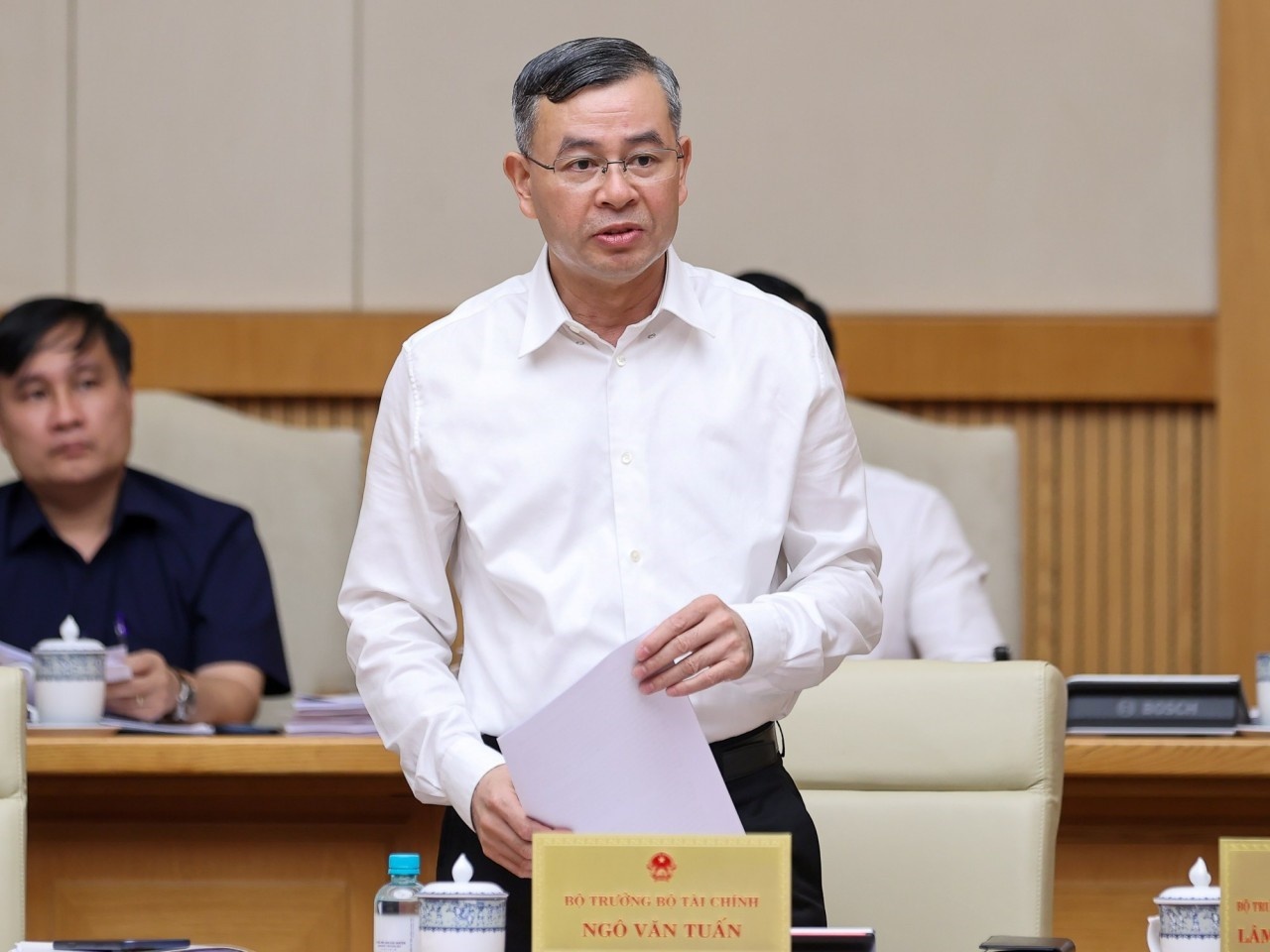
Minister of Finance Ngo Van Tuan at the government meeting

According to the National Statistics Office, the Consumer Price Index (CPI) climbed to 5.46 per cent in April on an on-year basis, accelerating sharply from the 4.65 per cent recorded in March and approaching the 5.5 per cent worst-case scenario the Ministry of Finance (MoF) presented on April 23.

The primary driver is cost-push pressure from global crude oil prices, which have surged since March amid heightened geopolitical tensions in the Middle East.

“These global disruptions have not only inflated energy costs but also caused a surge in international logistics and transportation expenses, creating a cascade effect across various domestic sectors including transport services, food, and construction materials,” Minister Tuan said.

These categories account for over half of the CPI basket and recorded the sharpest rises in the first four months of 2026, with the food category up 5.2 per cent on-year and transportation climbing 11.1 per cent in April.

The government is now bracing for additional domestic price pressures, including increased electricity demand during the peak summer heat and scheduled adjustments to state-managed service fees.

Healthcare service prices are projected to rise by approximately 8.9 per cent, driven by the inclusion of management costs and a significant hike in medical staff allowances.

This adjustment alone is estimated to add around 0.28 percentage points to the national CPI. In the education sector, tuition caps for the 2026-2027 academic year are slated for an average rise of 12.7 per cent for public universities and 18 per cent for public vocational training institutions.

To mitigate these pressures, the MoF has called for a coordinated response between ministries, urging the Ministry of Industry and Trade to ensure a stable domestic energy supply through continued management of the Fuel Price Stabilisation Fund, while the Ministry of Construction provides clear guidance on adjusting construction contracts to account for material price volatility.

Each ministry is required to maintain strict market surveillance to prevent speculative hoarding and unreasonable price hikes, particularly in essential commodities such as rice, pork, and construction supplies, while localities instructed to implement market stabilisation programmes suited to their specific economic conditions.

On the growth front, the government is focusing on public investment as a key engine to achieve high growth in 2026.

Total social investment Q1 reached $29.8 billion, a 10.7 per cent rise on-year. Foreign direct investment (FDI) remains a bright spot, with registered capital in the first four months of the year estimated at $18.2 billion, a 32 per cent increase on-year, while implemented FDI rose by 9.8 per cent to $7.4 billion.

Issues persist in the deployment of state capital, however, with approximately $1.85 billion of the 2026 investment plan remaining unallocated across 14 ministries and 17 localities as of late April.

Minister Tuan mandated that these entities expedite their allocation processes and finalise regional mining plans by Q2 of this year to ensure an adequate supply of raw materials for key infrastructure projects.

As part of its forward-looking strategy, the MoF has asked all government agencies and local authorities to submit revised growth indicators this week to facilitate a comprehensive report to the central government on achieving targets for the 2026-2030 cycle.

MoF honing draft amending tax laws MoF honing draft amending tax laws

On April 20, the Standing Committee of the National Assembly met to discuss amending the Law on Personal Income Tax, the Law on VAT, the Law on Corporate Income Tax, and the Law on Special Consumption Tax.

Vietnam nears investment grade as reforms and growth strengthen outlook Vietnam nears investment grade as reforms and growth strengthen outlook

Vietnam’s sovereign credit ratings are now approaching investment grade, standing just one notch below the threshold under S&P Global Ratings and Fitch Ratings, and two notches below under Moody’s, bringing the country closer to its target of achieving investment-grade status.

ASEAN+3 policymakers assess energy and supply chain disruptions ASEAN+3 policymakers assess energy and supply chain disruptions

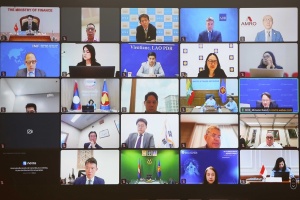
On April 28, the ASEAN+3 Policy Dialogue and Regional Economic Review was held virtually, co-chaired by the Philippines and Japan. Tran Quoc Phuong, Deputy Minister of Finance, attended and delivered remarks from Vietnam.

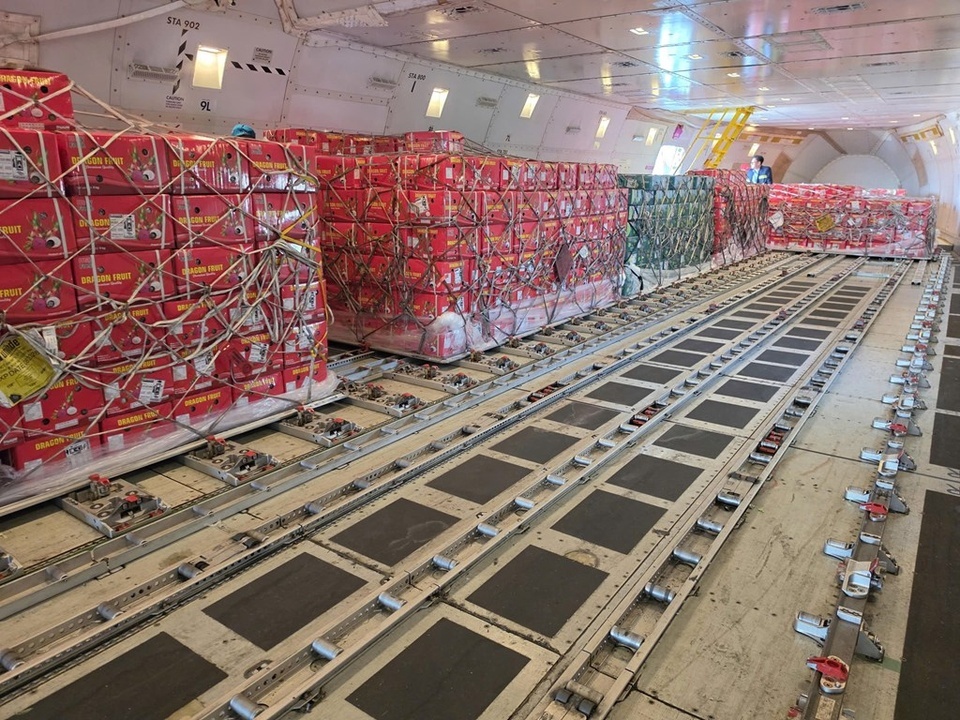
 In less than one month, LuLu Group International has organised two charter flights transporting nearly 200 tonnes of Vietnamese agricultural products. Photo: Ministry of Industry and Trade.
In less than one month, LuLu Group International has organised two charter flights transporting nearly 200 tonnes of Vietnamese agricultural products. Photo: Ministry of Industry and Trade

According to the Foreign Market Development Department under Vietnam’s Ministry of Industry and Trade (MoIT), the UAE-based retail conglomerate, which operates the LuLu Hypermarket chain, is increasing purchases of Vietnamese products at a time when many international businesses remain cautious due to concerns over regional instability.

The second charter flight carrying 98 tonnes of Vietnamese agricultural products, organised by MAY Exports Vietnam, departed from Tan Son Nhat Airport for the UAE on May 12.

The MoIT said that LuLu Group International’s continued expansion of procurement activities and its operation of charter flights for Vietnamese goods reflect growing confidence in Vietnamese enterprises across the Middle East market. The move is also expected to create further opportunities to boost production and exports to the region, which is considered highly promising for Vietnamese businesses.

Beyond its commercial significance, the charter flights also reinforce Vietnam’s increasingly important role in the global agricultural supply chain. Maintaining stable cargo flows amid a complex geopolitical environment demonstrates the flexibility and effective coordination between Vietnamese exporters and major international distribution groups.

The successful deployment of the second charter flight has also raised expectations for the establishment of regular cargo routes between Vietnam and the Middle East in the future.

The Foreign Market Development Department noted that, as geopolitical tensions in the Middle East continue, many international maritime shipping routes are facing risks of disruption, rising logistics costs, and unstable delivery schedules. In this context, maintaining dedicated charter flights for Vietnamese agricultural exports carries particular significance.

The flights not only provide a timely logistics solution to ensure stable supplies for distribution systems in the UAE, but also highlight the adaptability of Vietnamese businesses in responding swiftly to fluctuations in global trade.

For fresh agricultural products in particular, delivery time is crucial to maintaining quality and freshness upon arrival to consumers. Consecutive charter flights help significantly shorten transportation times, reduce risks during transit, and maintain supply chain stability between Vietnam and the Middle East, where demand for high-quality tropical produce is rising steadily.

The ministry added that the expanded procurement activities by a major partner such as LuLu Group International will not only strengthen the position of Vietnamese goods within one of the region’s leading retail systems, but also generate positive spillover effects for exports to the wider Middle Eastern market, particularly Saudi Arabia, the UAE, Qatar, Kuwait, Bahrain, and Oman.

UAE group to build $2-billion AI super data centre in Ho Chi Minh City UAE group to build $2-billion AI super data centre in Ho Chi Minh City

Viettel opens representative office in UAE Viettel opens representative office in UAE

Gaw Capital GFH Partners form UAE industrial logistics JV Gaw Capital GFH Partners form UAE industrial logistics JV

Jemmia Diamond hosts Vietnam-UAE trade dialogue with ambassador Jemmia Diamond hosts Vietnam-UAE trade dialogue with ambassador

VinFast Middle East partners with PlusX Electric in UAE VinFast Middle East partners with PlusX Electric in UAE
Indonesia-Vietnam retail chain EraBlue targets $790 million by 2030 Indonesia-Vietnam retail chain EraBlue targets $790 million by 2030

DFIQ and WPP Hong Kong launch privacy-safe retail media platform DFIQ and WPP Hong Kong launch privacy-safe retail media platform

Tay Ho Tay emerges as Hanoi's new retail hotspot Tay Ho Tay emerges as Hanoi’s new retail hotspot

XIXILI launches 3D avatar fitting for Malaysian lingerie retail XIXILI launches 3D avatar fitting for Malaysian lingerie retail

Masan delivers record Q1 profit Masan delivers record Q1 profit


Masan delivers record Q1 profit
In Q1 2026, MSN posted net profit after tax before minority interest (NPAT Pre-MI) of VND1.97 trillion ($75.77 million), doubling on-year. Consumer-retail earnings before interest and taxes (EBIT) rose to $94.62 million, up 23.6 per cent on-year, reflecting broad-based growth across the platform.

Q2 2026 preliminary momentum indicates MSN is on track to grow NPAT Pre-MI by approximately 60 per cent on-year.

WinCommerce (WCM) – the company operating the WinMart/WinMart+/WiN chains – delivered NPAT Pre-MI of $7.85 million in Q1 2026, up 3.5 times on-year, equivalent to a 1.8 per cent margin. The result is driven by higher store traffic, disciplined network expansion and operating leverage.

WCM recorded a net addition of 225 new store openings for Q1 2026, bringing the total store count to 4,817 nationwide. Notably, 100 per cent of new store openings surpassed store‑earnings before interest, taxes, depreciation and amortisation breakeven level within the quarter.

Like-for-like (LFL) growth across all formats was primarily driven by higher store traffic (bill count) as modern trade penetration accelerates. Among them, minimarts delivered LFL growth of 11.8 per cent on-year in Q1 2026, up from 8.6 per cent in Q1 2025.

Supermarkets delivered LFL growth of 19.9 per cent on-year for Q1 2026, up from 6.1 per cent in Q1 2025, supported by renovations that lifted store traffic. Supermarkets also achieved EBIT-positive with 3.5 per cent margin, up 386 per cent on-year points (bps) on-year. As of March 2026, 60 supermarkets have been renovated, with the remainder on track for completion by year-end.

Masan Consumer’s Q1 2026 revenue reached $325.77 million, up 13.1 per cent on-year, while NPAT Pre-MI reached $69.23 million, up 11.5 per cent on-year.

Retail Supreme demonstrated clear improvements across key execution metrics as March 2026. First, active selling outlets reached approximately 500,000, up 2.3 times compared to before Retail Supreme. Second, stock keeping unit per order reached 5.5 (up 17 per cent) while approximately 57,000 outlets now carry around six or more categories, up 2 times. Third, approximately 50,000 outlets are implementing MCH’s in-store execution standards, up 1.8 times.

Masan Consumer’s gross margin was stable at 46.7 per cent on-year.

Masan delivers record Q1 profit

Masan MEATLife (MML) delivered revenue of $95.38 million in Q1 2026, up 19.8 per cent on-year, with NPAT Pre-MI of $5.65 million, up 27.2 per cent on-year. EBIT grew on-year to a 7.4 per cent margin, up 450 bps on-year, as both fresh and processed meat benefited from improved economies of scale and higher porker utilisation. Total MML sales at WCM grew 30.2 per cent on-year.

Phuc Long Heritage posted net revenue of $21.88 million in Q1 2026, up 34 per cent on-year. The EBITDA margin reached 20.8 per cent while NPAT Pre-MI grew 1.6 times on-year to a 10.3 per cent net margin, up 260 bps on-year. Growth was driven by delivery scaling and stronger in-store productivity gains, with LFL average daily sales in standard-format stores reaching $1,011.54, up 21.2 per cent on-year.

Masan High-Tech Materials (MSR) delivered a record quarterly NPAT of $20.65 million in Q1 2026, compared with a $8.54 million loss in Q1 2025, supported by stronger commodity pricing, improved operating performance, and lower net interest expenses.

Net revenue reached $115 million, up 114.9 per cent on-year, led by APT revenue of $94.23 million, up 3.2 times on-year. APT averaged $1,865/mtu in Q1 2026 and reached $3,150/mtu as of March 31, 2026, compared with MSR’s revised 2026 budget assumption of approximately $1,200/mtu. In the event current price levels are sustained for the rest of the year, MSR expects to achieve materially better financial results.

Throughput is expected to recover from Q2 2026 and ramp further in Q3 2026 following the amendment of the 28-million-tonne mining licence, with full-year ore processed projected to exceed FY2025 levels.

MSR is expected to generate stronger operating cash flow and accelerate deleveraging, with revised guidance indicating net-debt-to-EBITDA declining from 3.5 times in Q1 2026 to 1.7 times by year-end.

Assuming APT prices average above $1,500/mtu, MSR targets net-debt-to-EBITDA of 0.1 times by end-2027, and conservatively net cash position by end-2028, which would create room for lower interest expenses, higher earnings quality, and potential dividend payments in the upcoming years.

Masan has announced plans to migrate MSR to the HSX mainboard, aiming to enhance value recognition, broaden the shareholder base, improve liquidity, and support strategic investor engagement.

MSN’s profit share of Techcombank in Q1 2026 was $50.77 million, up by 11.8 per cent on-year.

Building on a record Q1 2026, MSN’s revenue and NPAT Pre-MI are estimated at $1.98 billion and $176.92 million in the first half of 2026, up 38 per cent and 76 per cent on-year, respectively.

Masan posts steady gains as Vietnam targets stronger retail growth Masan posts steady gains as Vietnam targets stronger retail growth

Vietnam’s push for stronger retail growth by 2030 is being matched by improving performance in the country’s major consumer groups.

Masan Consumer lifts foreign ownership limit to 100 per cent Masan Consumer lifts foreign ownership limit to 100 per cent

On March 18, the State Securities Commission announced that it had received Masan Consumer Corporation’s application to double its foreign ownership limit to 100 per cent.

Masan High-Tech Materials plans HSX listing Masan High-Tech Materials plans HSX listing

Masan High-Tech Materials has released documents for its 2026 AGM, slated to take place in Hanoi on April 16.

The government on May 5 released a dispatch on focusing on directing the drastic implementation of measures to combat, prevent, and handle acts infringing intellectual property rights.

Government intensifying crackdowns on IPR infringements

The dispatch is sent to the chief justice of the Supreme People’s Court; the Prosecutor General of the Supreme People’s Procuracy; ministers and heads of ministerial-level agencies; secretaries of provincial and municipal Party committees, and chairpersons of people’s committees of provinces and centrally governed cities; and the chief of the Standing Office of the National Steering Committee against Smuggling, Trade Fraud, and Counterfeit Goods.

According to the dispatch, in recent years, efforts to combat, prevent, and address infringements of intellectual property (IP) rights have recorded notable progress. Competent authorities have carried out synchronised and effective measures, detecting and handling numerous cases, thereby contributing to curbing violations.

“However, IP infringement remains complex in several sectors and localities, significantly affecting the investment and business climate, as well as the legitimate rights and interests of citizens, enterprises, and related organisations,” said Deputy Prime Minister Ho Quoc Dung who signed the dispatch.

In order to create a strong shift and enhance the substantive effectiveness of IP enforcement – thereby fostering a transparent and healthy investment climate and strengthening national credibility in international integration, the prime minister requires ministers, heads of ministerial-level agencies, and chairpersons of provincial and municipal people’s committees, and requests secretaries of Party committees at all levels, to strictly, synchronously, and decisively implement relevant legal regulations, the government’s Resolution No.397/NQ-CP dated December 5, 2025, and the PM’s Directive No.02/CT-TTg dated January 30 on strengthening IP enforcement.

A key priority must be placed on a nationwide crackdown with no exceptions. Specifically, from May 7-30, authorities are to launch an intensive nationwide campaign, mobilising resources to urgently deployed measures against IP infringements. Violations must be handled strictly in accordance with the law, under the principle of “no forbidden zones, no exceptions”.

The Ministry of Public Security is tasked with leading investigations into serious IP infringement cases, including copyright, related rights, trademarks, and geographical indications. Particular focus must be placed on dismantling high-traffic websites engaged in online copyright violations, especially those distributing pirated films, music, mobile games, and television programmes in Vietnamese and foreign languages.

Meanwhile, the Ministry of National Defence is assigned to direct border guards, coast guard forces, and relevant units to coordinate closely with the Ministry of Public Security and local authorities in enforcing anti-infringement measures.

Judicial bodies, including the Supreme People’s Procuracy and Supreme People’s Court, are required to accelerate prosecution and adjudication of IP cases, ensuring strict, deterrent, and lawful rulings, with emphasis on handling exemplary cases.

The Ministry of Culture, Sports, and Tourism must immediately conduct inspections on compliance with software copyright regulations in enterprises, as well as copyright enforcement for films, music, television programmes, and online games. Authorities are required to increase the number of handled cases by at least 20 per cent compared to May 2025, while strengthening public awareness campaigns through media channels.

In addition, the Ministry of Industry and Trade, together with provincial and municipal authorities, has to direct market surveillance forces to intensify inspections and strictly address violations, particularly counterfeit trademark goods, with a similar 20 per cent increase target.

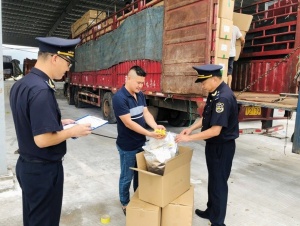
The Ministry of Finance is tasked with instructing customs authorities to tighten inspection of import-export goods, proactively suspending clearance for shipments with clear signs of IP infringement, again aiming for a minimum 20 per cent rise in enforcement actions.

Meanwhile, the Ministry of Foreign Affairs is requested to coordinate with relevant agencies to promptly provide international partners with comprehensive updates on Vietnam’s IP enforcement efforts.

All ministries and localities are required to carry out daily rapid reporting on major and complex cases, submitting updates to the Ministry of Science and Technology for consolidation and reporting to the prime minister on a weekly basis or upon request. A final report covering results up to May 30 must be submitted by May 31.

Furthermore, the Ministry of Science and Technology is asked to take the lead in implementing assigned tasks under Official Dispatch No.1860/VPCP-KTTH dated May 1, providing expert opinions and assessment conclusions to support enforcement of industrial property rights.

Following the campaign period, ministries, agencies, and localities are required to review and evaluate outcomes, and continue enhancing enforcement measures to ensure IP protection becomes a regular, systematic, and effective task nationwide.

The National Steering Committee against Smuggling, Trade Fraud, and Counterfeit Goods is tasked with intensifying inter-agency coordination, supervision, and guidance, promptly addressing bottlenecks and handling major, complex cases within its authority.

At the local level, Party committee secretaries have to mobilise the entire political system to actively engage in IP enforcement. Chairpersons of provincial and municipal people’s committees must urgently establish inter-agency task forces led by themselves, ensuring close coordination among local authorities and effective implementation of assigned duties, while promptly reporting issues beyond their competence.

The government’s fresh move demonstrates its strong determination to deliver a tangible shift in IP enforcement, aligning Vietnam’s regulatory framework with international standards and reinforcing investor confidence. With a coordinated, high-intensity approach and clear accountability across agencies, the campaign is expected to mark a critical step towards safeguarding innovation, protecting legitimate rights, and sustaining a fair business environment.

The Ministry of Industry and Trade is currently finalizing a draft decree on criteria for determining Vietnamese origin for goods circulating within the domestic market (the “Draft”), with the objective of establishing a clear and transparent legal basis for origin labeling and advertising. The Draft introduces several notable points as follows:

Criteria for Determining Goods of Vietnamese Origin

Accordingly, goods shall be considered of Vietnamese origin if they fall into one of the following three categories:

  • Goods wholly obtained in Vietnam, including plants grown and harvested in Vietnam; animals born and raised in Vietnam; products derived from such animals; minerals extracted in Vietnam; and products obtained from fishing, hunting, or gathering activities conducted in Vietnam;
  • Goods produced in Vietnam entirely from materials originating in Vietnam;
  • Goods that are not wholly obtained in Vietnam but undergo their final substantial transformation in Vietnam, resulting in a fundamental change in their nature and achieving a value content exceeding the prescribed minimum threshold.

Determination of Vietnamese Value Content for Non-Wholly Obtained Goods

For goods that are not wholly obtained in Vietnam, the Draft proposes that the value added through production, processing, or manufacturing activities conducted in Vietnam must account for at least 30% of the ex-works price of the goods.

The calculation method for Vietnamese value content is specifically outlined, taking into account the value of originating and non-originating materials, ex-works price, direct labor costs, allocated production costs, and the manufacturer’s anticipated profit.

For goods in the information technology and digital technology sectors, the Draft also recognizes that activities such as research and development, design, assembly, manufacturing, testing, digitalization, automated programming, and product development may be included in the Vietnamese value content if carried out in Vietnam.

Simple Processing Operations Not Qualifying for Vietnamese Origin

A key feature of the Draft is the proposal that simple processing operations shall not be considered in determining Vietnamese origin. Such operations include preservation, simple packaging changes, basic cleaning, ironing or pressing, labeling, simple polishing, husking, coloring, simple cutting, sorting, simple packaging, simple assembly, basic inspection, or individual slaughtering of animals.

This provision is significant in preventing situations where imported goods undergo only minimal processing in Vietnam but are nevertheless labeled or marketed as having Vietnamese origin.

Obligations of Traders

The Draft imposes clear obligations on traders when presenting information regarding Vietnamese origin on product labels or related materials. Specifically, traders are required to:

  • Take full legal responsibility for the declared origin of goods;
  • Retain documentation substantiating the origin of goods; and
  • Provide supporting documents upon request by competent authorities.

Practical Implications for Businesses

Overall, the Draft represents an important step toward standardizing the determination of Vietnamese origin for domestically circulated goods. The introduction of a dedicated regulatory framework for the domestic market is expected to curb arbitrary origin claims, while providing a clearer legal basis for market surveillance and consumer protection.

In light of the above, should the Draft is adopted, enterprises should consider the following actions to mitigate the risk of misrepresenting origin:

  • Review product portfolios and current origin claims to determine which products satisfy the Draft criteria for Vietnamese origin;
  • Reassess supply chains and production processes, particularly for goods with imported inputs or only minimal processing conducted in Vietnam;
  • Standardize documentation evidencing origin, including materials records, bills of materials, production processes, cost structures, invoices, technical documents, and related records for inspection purposes;
  • Review product labeling, commercial materials, and advertising content to ensure that origin claims are legally compliant and not misleading; and
  • Establish internal control mechanisms among legal, production, procurement, and marketing functions to ensure that origin-related claims are consistently verified prior to market disclosure.