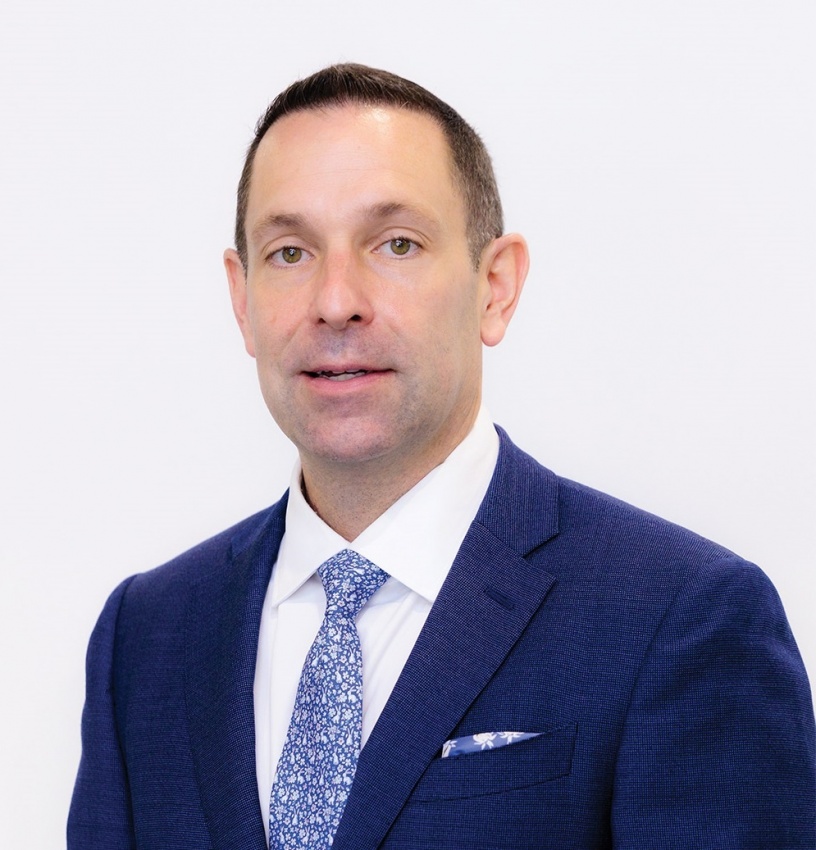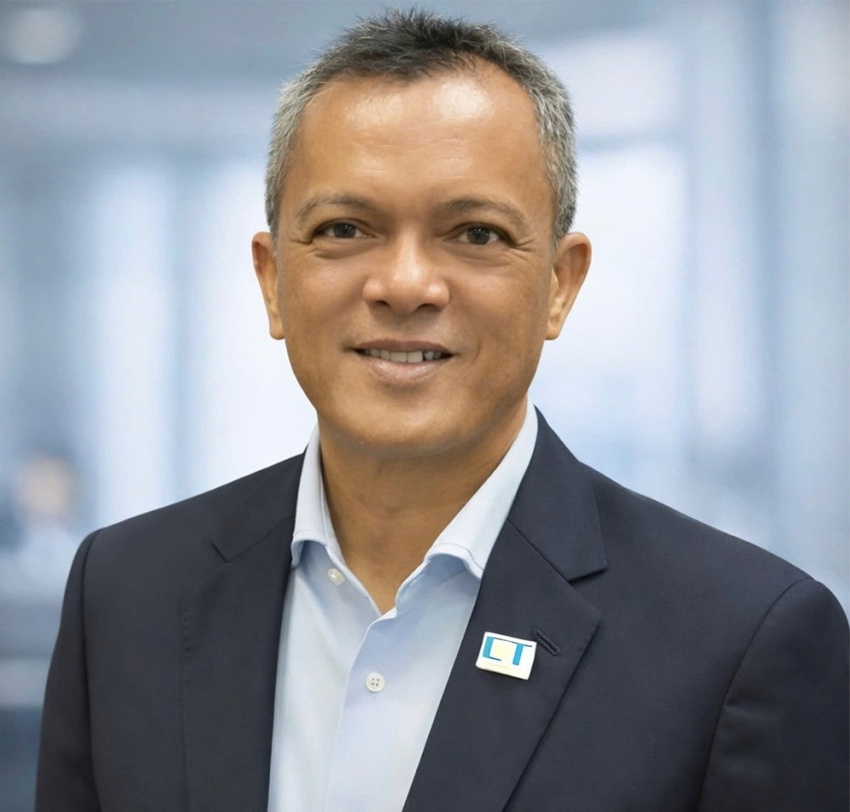
Azmi Bin Wan Hussin Wan, chief operations officer CT Semiconductor

However, for global semiconductor corporations, interest or policy declarations alone are insufficient. Capital flows are only truly activated when concrete, verifiable, and operationally effective trigger conditions are met.

Global semiconductor investors do not make decisions based on potential or paper-based strategies. They invest in countries where operational conditions have been demonstrably proven.

The first decisive criterion is industrial infrastructure reliability. Semiconductor manufacturing requires uninterrupted power supply, ultra-pure water, stable operating environments, full ecosystem for supply chain, and logistics systems capable of withstanding disruptions.

Investors assess not only installed capacity, but also redundancy and continuity of operations. Without proven industrial-grade reliability at this level, Vietnam is unlikely to become a priority destination.

The second criterion is long-term policy predictability and credibility. Semiconductor investments typically have very long lifecycles. As such, confidence in the stability, transparency, and consistency of legal frameworks, government policy including tax, import/export, land-use rights, and investment procedures is more critical than the level of incentives offered.

From my perspective, domestic enterprises play an anchoring role in building market confidence. By committing long-term capital and aligning closely with national priorities, such as Vietnam’s semiconductor industry development strategy to 2030, Vietnam’s direction is structural rather than short-term.

The third criterion is scalable human capital. Beyond highly skilled engineers, the semiconductor industry requires large numbers of process engineers, technicians, and skilled operators. Vietnam’s competitiveness will depend on its ability to rapidly scale this workforce in both quantity and quality.

Compared with Malaysia, Indonesia, and India, CT Semiconductor identifies Vietnam’s greatest weakness as its limited participation in the semiconductor value chain, particularly in advanced manufacturing and outsourced semiconductor assembly and test (OSAT).

Malaysia has built a mature OSAT ecosystem over several decades, supported by dense supplier and service networks. India, while still developing, has mobilised substantial state resources under a clear national strategy. Vietnam, despite its strong electronics manufacturing base, lacks hands-on experience in large-scale semiconductor production operations.

However, human capital and supporting services are areas where Vietnam can improve most rapidly if approached correctly. The key lies in sustained collaboration among three pillars: government, academia, and industry, where training must be closely linked to practice and real production environments.

In this context, CT Semiconductor has implemented a programme on assembly, testing, and packaging (ATP) at the National Innovation Centre in Hanoi. Delivered by international experts with over 30 years of industry experience and fully funded by the company, the programme attracted 180 lecturers from more than 50 universities and colleges nationwide, forming the core teaching force for Vietnam’s future semiconductor engineers.

Vietnam should adopt a phased development strategy, rather than attempting to cover the entire ecosystem from the outset. ATP should be the initial priority: this segment requires significantly lower capital investment than wafer fabrication, offers faster deployment timelines, and aligns well with Vietnam’s existing electronics manufacturing base. ATP facilities also generate immediate demand for materials, chemicals, equipment maintenance, and logistics, catalysing the formation of a supporting ecosystem.

Chip design capabilities can be developed in parallel, particularly in areas such as power electronics, automotive chips, and AI applications. However, design alone is insufficient to anchor supply chains. Physical manufacturing assets, especially ATP plants, create long-term commitments and stronger economic spillover effects.

On the next move, Vietnam can gradually expand into materials, equipment services, and eventually wafer fabrication as conditions mature. Based on this trajectory, we are working towards building a fully integrated semiconductor ecosystem, mastering the entire process from research and training to design, lithography, assembly, testing, and advanced packaging.

We believe several non-financial factors will become increasingly decisive in the coming years. Foremost among them is policy consistency and institutional coordination between central and local authorities, particularly in taxation, customs, and administrative procedures.

Intellectual property protection is another critical factor, especially as advanced packaging technologies and design intellectual property continue to rise in value.

Environmental, social, and governance (ESG) compliance has also become a strategic requirement. We are committed to fully complying with international ESG standards to meet the growing expectations of global partners.

Finally, connectivity with the global ecosystem, through trade agreements, mobility of international experts, data governance frameworks, and alignment with global technology standards, will strongly influence decisions.

We identify three key criteria to activate a new wave of semiconductor investment into Vietnam during the next five years: a long-term national semiconductor strategy with binding commitments; development of ready-to-operate semiconductor industrial zones, with guaranteed infrastructure and streamlined licensing procedures; and large-scale development of technical human capital, focusing on application-oriented engineers trained in collaboration with industry.

If Vietnam can translate these criteria into tangible capabilities rather than policy aspirations, the country will not only draw in funding, but progressively position itself as a strategic node in the global semiconductor supply chain, anchored by pioneering enterprises already turning these conditions into reality.
Vietnam has set ambitious goals for AI and big data under its digital government roadmap to 2030. From your experience, what are the main challenges in turning these goals into real, working geospatial and AI systems?

Digital security fundamental for better and faster decision-making
Abhay Swarup Mittal

The strategic direction set by the government is very strong and closely aligned with global trends. Across many countries, geospatial data has moved beyond being a supporting layer of infrastructure. It has become a daily operational requirement for governments.

Geospatial data is used constantly by transport systems, delivery platforms, urban services, and many other applications. This widespread usage creates a need for continuously updated data. Satellite and space-based data are the most effective tools for meeting this requirement, as they provide up-to-date information on changes to buildings, land, and infrastructure.

However, extracting value from satellite data requires more than access to imagery. A robust infrastructure is needed to process and analyse large volumes of data. Equally important is a regulatory framework that allows such data to be used securely and responsibly.

Vietnam already has a strong talent base, particularly in AI and software development, which can support automation and large-scale data processing. The remaining challenge lies in governance, putting in place the right infrastructure, standards and regulatory environment.

Climate risks such as flooding and rapid urban growth are major concerns for Vietnam. How are government agencies using satellites and geospatial data today, and how has this changed in recent years?

Five years ago, monitoring floods and other climate-related events was far more difficult. Climate change has increased both the frequency and unpredictability of such events, while access to satellite data was often delayed by several days. In disaster situations, that delay significantly limited the ability to respond effectively.

Today, the situation has changed considerably. A growing number of earth-observation satellites are now in orbit, enabling access to data within hours rather than days. This shift has transformed how governments approach disaster management.

Near-real-time satellite data supports more informed decision-making. Authorities can assess the extent and direction of flooding, identify vulnerable areas and prioritise the deployment of emergency personnel and resources.

The ability to predict how floodwaters are moving allows governments to move from reactive to proactive responses. This is a major step forward in building resilience against climate-related risks.

Many countries still depend on foreign platforms for satellite imagery and data analysis. Why is it important for governments like Vietnam’s to build their own capability to receive and analyse earth-observation data?

Sovereign systems have become increasingly important because data is central to modern governance. Governments manage vast amounts of information, including population data, infrastructure data and connectivity data, all of which are used to support public decision-making.

Satellite imagery related to disasters is only one part of a much broader ecosystem. When combined with other national datasets, geospatial information becomes more powerful. In this context, ownership and control over data and infrastructure are critical.

Building sovereign capability does not only mean owning satellites. It also involves owning the ground infrastructure, the data platforms and the analytical systems that turn raw data into actionable intelligence. When these elements are controlled domestically, governments are better positioned to address national priorities.

Vietnam is a growing technology development hub. How does Aetosky’s software development work in Vietnam support its projects and cooperation with local partners?

Vietnam’s development over the past three decades has been remarkable. The depth of technical talent and the strong commitment to skills development stand out clearly.

Vietnam is not viewed as an outsourcing destination, but as an integral development centre. The quality of technology and engineering talent is comparable to that found in leading global companies. The key lies in identifying the right people, investing in their development and establishing a clear execution strategy.

While ideas are abundant, execution ultimately determines success. With a defined strategy and disciplined implementation, Vietnam’s technology workforce can play a central role in developing and deploying advanced geospatial and AI solutions.

How does AI help public agencies make better decisions based on geospatial data in areas such as urban planning, land management, and infrastructure?

AI is essential for automating complex processes at scale. In rapidly developing environments, changes are seen daily, making manual monitoring impractical.

One important application is change detection. By combining satellite imagery with AI models, it becomes possible to automatically identify what has changed in a given area, new construction, land-use changes or unauthorised developments. This approach is already being applied in other countries to support urban planning and regulatory enforcement.

Early detection enables authorities to take timely action, preventing issues such as encroachment before they escalate into legal or social challenges. More broadly, AI supports continuous monitoring, mapping and decision-making, allowing public agencies to act proactively rather than reactively.

Data security and control are common concerns when governments adopt AI technologies. How does Aetosky address these issues?

Data security is fundamental. Building secure systems requires sustained effort, and this is something that cannot be compromised. Strong governance frameworks must be embedded into system design from the outset.

Aetosky places significant emphasis on data protection, ensuring that platforms meet strict security and governance standards. Systems are designed to operate securely and undergo approval processes that align with government requirements.

Which areas are likely to benefit most from geospatial data and AI in Vietnam, and how does Aetosky plan to expand its operations in the country?

Defence and security remain major drivers of earth-observation data globally. Alongside this, disaster response is expected to see particularly strong growth, as it directly affects public safety and livelihoods.

Disasters take many forms like floods, typhoons, landslides, earthquakes, and their impacts are often concentrated in urban areas, where population density is high. Urban resilience therefore becomes a critical focus area, linking disaster management with city planning and infrastructure development.

Agriculture and border management also benefit from geospatial intelligence, but their dynamics differ. Disasters are highly dynamic events, requiring real-time insights and rapid response, which places them at the forefront of demand for advanced geospatial AI.

Aetosky is in the process of establishing an office in Vietnam and expects to begin operations in the coming months. As foreign investment and urbanisation accelerates, the need for robust geospatial and AI systems will grow.

With Vietnam launching its own satellites and expanding its various space capabilities, collaboration with public agencies is expected to deepen, supporting the development of sovereign, data-driven solutions tailored to national priorities.

Why has resilience become such a crucial benchmark for businesses today?

Businesses around the world are operating in a very different environment than even a few years ago. We’re facing global uncertainties, supply chain disruptions, rising energy demands, and more frequent climate related challenges.

Resilience as new benchmark for smarter infrastructure
Dr. Pham Thai Lai

Here in Vietnam, 2025 was a stark reminder of this reality, with the country experiencing a series of severe natural disasters, from prolonged heatwaves and record–breaking storms to widespread flooding that disrupted industries, logistics networks, and daily life. These events made it clear that external shocks are no longer rare; they are becoming part of the operating landscape.

Efficiency still matters – it always will – but efficiency alone is no longer enough. Companies now need resilience, meaning the ability to anticipate disruption, withstand shocks, and recover quickly while keeping operations stable. What is especially important is that resilience and decarbonisation are no longer opposing forces – they actually reinforce one another.

If you think about it, a system that is cleaner, more flexible, and more distributed is also less vulnerable to single point failures. Decarbonised systems tend to be electrified, decentralised, and digitally enabled. Those are precisely the characteristics of resilient infrastructure.

The common foundation that enables both resilience and sustainability is digitalisation. Digital technologies give us transparency, speed, and precision. They allow systems to sense conditions in real time, respond dynamically, and adapt proactively. Without digitalisation, neither resilience nor decarbonisation can advance at the speed the world requires.

Electrification plays a major role in decarbonisation. What challenges does it create for current infrastructure?

Electrification is the most widely accepted and practical pathway towards a net zero future. It is proven, scalable, and applicable across sectors – from manufacturing and transportation to buildings and logistics. In our global Infrastructure Transition Monitor, 64 per cent of leaders agreed that electrification is the most realistic route to net-zero.

But electrification also adds complexity. When companies adopt electric vehicles, electrified machinery, heat pumps, or rooftop solar, they introduce new loads and variable two way power flows. The grid must handle unpredictable peaks, integrate distributed energy sources, and stay stable even as usage patterns shift quickly.

Many grids, globally and across ASEAN, were not built for this level of variability. That is why infrastructure is often cited as the biggest barrier to meeting sustainability targets. The challenge is not ambition; it’s system readiness.

To move forward, we must make infrastructure smarter, not just bigger. Digital grid software, smart transformers, intelligent switching devices, and automated controls give operators real time visibility and better control. These tools help balance loads, reroute power, prevent congestion, and integrate renewables more efficiently. This is how we build a grid that is both electrified and resilient.

Where does digitalisation, and especially AI, fit into building resilient energy systems?

Digitalisation is the engine of resilience. It turns rigid, analogue systems into intelligent networks that can sense, predict, and respond instantly. But it only works when organisations have access to the right data. Many still struggle with data gaps, siloed systems, or limited analytical capabilities, making decarbonisation harder.

This is where AI makes a real difference. Two thirds of leaders in our research believe AI will transform infrastructure operations, and we already see it happening. AI can forecast demand spikes, detect anomalies, and warn operators about potential failures long before they escalate. In regions facing extreme weather or rapid growth, these capabilities can prevent outages and strengthen system stability.

To support this shift, Siemens developed the Industrial Copilot, a generative AI assistant for the entire industrial value chain. It helps generate automation code, assists with troubleshooting, speeds up maintenance planning, and simplifies knowledge transfer. Work that once took days can now be completed in minutes, reducing effort and error rates.

By combining AI with real time operational data, companies move from reactive management to proactive optimisation. This dramatically boosts resilience because systems can adjust automatically and intelligently – even before human intervention is needed.

Siemens recently announced an expanded AI partnership. What does this mean in practical terms for customers and resilience?

Our expanded partnership with Nvidia is about bringing AI into every stage of the industrial value chain. Together, we’re building an Industrial AI operating system to help companies innovate faster, optimise continuously, and operate more resiliently.

Practically, this means three things. First, we are delivering AI accelerated tools – from electronic design to simulation and adaptive manufacturing – allowing faster, more accurate engineering and real time optimisation.

Second, we are enabling an “AI Brain” for factories. By combining Siemens automation and operations software with Nvidia’s AI and simulation platforms, factories can analyse digital twins continuously and convert insights into action on the shop floor. The Siemens Electronics Factory in Erlangen will be the first blueprint, and companies like Foxconn and PepsiCo are already evaluating these capabilities.

Third, we are accelerating GPU powered engineering and AI physics models. This allows autonomous digital twins and 2-10× faster design workflows, improving both reliability and speed.

For customers, the benefits are clear: faster design cycles, shorter commissioning, more reliable operations, and stronger resilience through AI driven prediction and autonomy.

What does all this mean for Vietnam, and what must the country focus on in the coming decade?

Vietnam stands at an important turning point. Its economy is expanding rapidly, its manufacturing base is growing, and its energy demand continues to rise. At the same time, the country remains one of the most climate exposed in Asia, which makes the need for resilient infrastructure more urgent than ever.

Digitalisation gives Vietnam a tremendous advantage. Instead of following a linear development path, Vietnam can leapfrog older models and adopt modern technologies from the outset. Smart grids, AI enabled platforms, digital twins, and AI-driven engineering tools – like Industrial Copilot – allow us to plan more precisely, operate more efficiently, and adapt to change more effectively.

With strong renewable energy potential and a clear national commitment to sustainability, Vietnam is well positioned to become a regional leader in smart infrastructure. But to achieve this, resilience must become the new benchmark – not just a target, but a guiding principle for how we design, build, and operate our energy and industrial systems. If we embrace that mindset, Vietnam can secure a cleaner, stronger, and more stable future for decades to come.

As global conditions continue to shift, resilience is the new benchmark for smart infrastructure. Electrification, digitalisation, and AI are reshaping how systems are designed, operated, and future proofed. For businesses across ASEAN and for nations like Vietnam, those who prioritise resilience today will be best positioned to grow sustainably, adapt quickly, and thrive in an increasingly dynamic world.

At last week’s Singapore Airshow 2026, Vietnam emerged as a focal point in conversations about Asia’s next aviation growth frontier.

Two aircraft manufacturers, business jet provider Dassault Aviation and the world’s largest turboprop manufacturer ATR, arrived with a shared message: Vietnam’s aviation market is expanding rapidly, but its next phase of development will depend on filling structural gaps rather than adding more capacity on already crowded routes.

Aircraft makers urge out-the-box thinking

Vietnam’s business aviation market remains small by regional standards, but Dassault Aviation sees clear momentum building. According to Carlos Brana, executive vice president for Civil Aircraft at Dassault, the growth trajectory mirrors patterns seen previously in other emerging Asian economies.

“Vietnam’s business aviation market is still young, but it is developing quickly,” Brana said. “Vietnam’s strong economic expansion, underpinned by industrialisation and deeper integration into global supply chains, is creating new mobility needs for companies operating across borders. As enterprises scale up, the limitations of scheduled airline networks become more apparent.”

The fundamental value proposition, he stressed, is time efficiency. Direct point-to-point travel between secondary cities can eliminate multiple stopovers, enabling companies to reach destinations that are poorly served or not served at all.

While Vietnam’s fleet of business jets remains modest compared with markets such as Singapore, Thailand or Indonesia, Dassault expects steady growth over the next 5-10 years as economic activity becomes more geographically dispersed.

Vietnam’s ongoing airport expansion is often cited as a constraint, but Dassault argues that business aviation is well-suited to operate within existing infrastructure. Business jets can operate from airports closer to final destinations, reinforcing their time-saving advantage. In many countries, including France, smaller airports rely heavily on business aviation to sustain operations, an experience Vietnam could replicate as its regional airport network expands.

While business aviation addresses a niche segment, ATR sees a much larger structural gap in Vietnam’s aviation ecosystem: the near absence of regional turboprop operations. Despite rapid traffic growth, turboprops – typically a hybrid aircraft engine that uses a gas turbine to drive a propeller – account for about 2 per cent of Vietnam’s commercial fleet.

Jean-Pierre Clercin, managing director and head of Asia-Pacific at ATR, said, “Vietnam’s aviation growth has concentrated on long-haul and high-density routes, north-south travel and international connectivity within ASEAN and beyond. For those markets, jets are the most efficient solution.”

That strategy has delivered impressive results, but it has also concentrated traffic heavily at a small number of airports. ATR research shows that roughly 90 per cent of Vietnam’s air traffic flows through just 10 airports, placing increasing pressure on major hubs.

“Smaller cities and secondary regions are growing economically, and residents increasingly aspire to move faster and more efficiently, not only by road but by air,” he added.

Turboprops, designed for short stage lengths and thinner routes, are well-suited to this next phase. ATR aircraft typically operate most efficiently on flights of around one hour, routes that are often unviable for jets due to cost structures.

Currently, Vietnam has approximately 22 operational civil airports. Of these, about 11 are international airports, and 11 are domestic airports. According to Vietnam’s national airport plan, Vietnam aims to expand its airport network to as many as 33 airports by 2030. Most recently, the Long Thanh International Airport, which underwent technical opening in late 2025, is expected to begin commercial operations in mid-2026.

ATR argues that the development of regional aviation is not just about domestic connectivity. Short-haul international routes linking Vietnam with neighbouring countries also offer strong opportunities, thanks to turboprop aircraft.

“The need for a thinner, more granular network will become unavoidable. This would help ease congestion at major hubs while making better use of investments in regional airports,” Clercin said.

“Policy support will be critical. Simplifying regulations for smaller airlines, reducing entry barriers and offering incentives such as lower airport fees on secondary routes could encourage new regional carriers to emerge. If the operating environment supports profitability, new regional airlines will follow,” he added.

In addition, the government has shown a proactive stance in facilitating regional aviation, even though the ecosystem remains at an early stage.

Despite serving different market segments, Dassault and ATR identify similar challenges when engaging with Vietnam. For Dassault, the main hurdle is familiarity. “In emerging markets, companies may be unfamiliar with aircraft ownership, operating costs and maintenance obligations,” Brana said, noting parallels with China’s early business aviation market.

ATR, meanwhile, points to competition for attention. With airlines focused on wide-body orders and international expansion, regional opportunities can be overlooked. “The key is finding entrepreneurs willing to build dedicated regional airlines,” Clercin said. “Regional aviation requires a different mindset.”

From a policy perspective in Vietnam, the revised Law on Civil Aviation, set to take effect in 2026, is expected to create a more enabling legal framework, widening the scope for private-sector participation in investment, operations and the development of aviation infrastructure.

Vietnam’s business aviation market has grown quickly over the past decade. What are the main drivers behind this growth, and how mature is the market today?

Business aviation market will grow alongside wealth
Paul Desgrosseilliers

If business aviation is defined strictly, Vietnam’s market is actually very young. Meaningful growth has really only started in the last 3-4 years. Before the pandemic period, there were effectively no business jets based in Vietnam. Coming out of the pandemic, companies and individuals began operating their own aircraft, initially through charter and later through managed ownership.

Today, the market stands at just under a dozen business jets, around 10-12 aircraft, with at least 3-4 more expected to enter service this year. From a numerical standpoint, the base is still small, but the growth rate is very high.

Vietnam’s economy is growing rapidly across manufacturing, real estate, industrial development and services. Frequent visits to both Hanoi and Ho Chi Minh City make this growth very visible, from large-scale construction to expanding industrial zones. As wealth increases among corporations and individuals, international business activity grows as well.

Vietnamese companies are no longer operating within domestic or regional markets. Many are deeply integrated into global supply chains, with frequent travel to China, Southeast Asia, the Middle East, Europe and North America. Business aviation supports this international reach by providing flexibility, efficiency and access to destinations that are not well served by commercial airlines.

In more mature markets such as North America, around 90 per cent of business jet utilisation is business-related rather than leisure-driven. Vietnam is following a similar pattern.

ExecuJet has obtained certification in Vietnam and now provides local maintenance support. What services are currently offered?

Vietnam has a unique regulatory environment compared with many other Southeast Asian markets. All aircraft owned and operated in Vietnam must be registered locally. Foreign-registered aircraft are not permitted to operate domestically. As a result, maintenance providers must hold Vietnamese regulatory approval in order to support these aircraft.

Recognising this requirement, ExecuJet began working with Vietnamese authorities more than a year ago to obtain the necessary approvals. The certification process was completed around six months ago, allowing the company to provide maintenance services for Vietnamese-registered business jets.

Vietnam was among the first Southeast Asian markets ExecuJet entered. Why was Vietnam prioritised?

Several factors influenced the decision. Firstly, the expansion began with an existing customer relationship. Initial interest came directly from Vietnamese operators seeking maintenance support.

Secondly, the aircraft types operating in Vietnam align closely with ExecuJet’s existing capabilities. The company already serves as an authorised service centre for Gulfstream and Dassault aircraft, which dominate the Vietnamese fleet.

Thirdly, geographic proximity played an important role. Hanoi, for example, is only around three hours by air from Beijing. From a customer perspective, flying to China for maintenance does not significantly increase travel time compared with other regional options.

Business aviation growth has been uneven across Southeast Asia. How does Vietnam compare with other regional markets?

Vietnam’s market remains smaller than more mature regional peers, but its growth trajectory is strong. Singapore, for example, had only a handful of business jets 15 years ago. Today, the fleet exceeds 80 aircraft. Indonesia operates around 60 business jets, while Thailand has approximately 45.

Vietnam’s fleet of around 12 aircraft represents a significant jump from zero just a few years ago. Importantly, multiple additional deliveries are already planned, indicating confidence in long-term growth.

Each market has its own characteristics. Aircraft preferences differ based on geography, business needs and infrastructure. Some markets favour smaller aircraft, while others gravitate toward large-cabin jets. Despite these differences, the underlying trend across Southeast Asia is consistent: economic growth is driving increased demand for business aviation.

ExecuJet Haite is based in China. What challenges arise when supporting Vietnam from abroad, and how are they addressed?

In the long term, there is strong interest in developing infrastructure within Vietnam, including business jet maintenance, repair, and overhaul (MRO) and fixed-base operator (FBO) facilities.

However, the current fleet size does not yet justify major investment. Typically, a base of 30-40 aircraft is needed to support standalone infrastructure economically.

Vietnam’s airport development plans may change this equation. Several new airports are under construction or planned, and business aviation zones are expected to be incorporated. FBOs are likely to be established first, with MRO facilities following as the fleet expands. When the infrastructure matures, opportunities for deeper local engagement will emerge. Until then, proximity to China allows efficient cross-border support without compromising service quality.

Sun PhuQuoc Airways secures AJW Group support for fleet operations

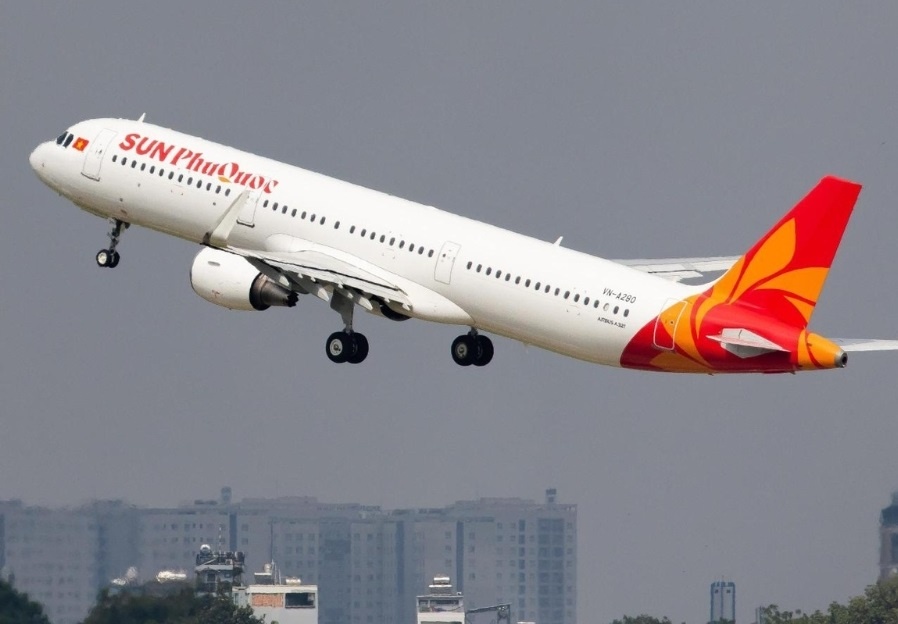
Sun PhuQuoc Airways and UK-headquartered AJW Group signed an agreement on February 4 under which AJW will provide comprehensive support, including maintenance services and spare parts supply, for the airline’s fleet of six aircraft, comprising two A321ceos and four A321neos. The partnership is expected to strengthen operational readiness and support planned network expansion.

AJW Group is an independent provider of component, repair, and supply chain solutions for commercial and business aviation, supporting more than 1,000 airlines across over 100 countries.

Sun PhuQuoc Airways is a startup carrier partly owned by Sun Group, a Vietnam-based developer and hospitality group. The airline currently operates a fleet of Airbus A321ceo and A321neo aircraft, initially connecting Phu Quoc Island with Ho Chi Minh City, Hanoi, and Danang. The carrier plans to expand routes to South Korea and Taiwan from 2026.

The airline is expected to expand its fleet rapidly in the coming years, supported by the financial backing and strategic experience of the Sun Group, adding significant momentum to its development in the region.

Scott Symington, chief commercial officer at AJW Group, commented, said, “We are delighted to support Sun PhuQuoc as they launch operations and grow their network, and we look forward to building a long-term partnership.”

Pham Dang Thanh, deputy CEO at Sun PhuQuoc Airways, added, “As a new airline, it was important for us to select a partner that understands both our immediate operational needs and our long-term growth ambitions. AJW Group demonstrated strong technical capability, and flexibility, and we are pleased to have them supporting our A320 fleet as we launch and grow our network.”

Aviation industry anticipates upcoming growth period Aviation industry anticipates upcoming growth period

Driving on growth momentum, air carriers in Vietnam are leaning into new plans to anticipate the next growth phase.

Sun PhuQuoc Airways cleared for commercial flights Sun PhuQuoc Airways cleared for commercial flights

Sun PhuQuoc Airways, backed by Sun Group, has secured regulatory approval to operate commercial flights, paving the way for the airline’s entry into Vietnam’s aviation market.

Hermes joins Long Thanh cargo terminal development Hermes joins Long Thanh cargo terminal development

Hermes Logistics Technologies has joined the development of Long Thanh International Airport’s new cargo terminal, marking a major step in applying advanced air cargo management solutions to Vietnam’s aviation infrastructure.

How do you feel about having your name placed alongside the world’s most illustrious female leaders?

The award came as a complete surprise. Women’s Tabloid learned about me through the merger of FV with Thomson Medical Group. To be honest, I’ve always focused solely on my work and have always considered myself a member of the FV family. Standing at the awards ceremony in Dubai, looking at the list of winners from the US, France, Europe…, I truly felt the honour of having my efforts at a Vietnamese hospital recognised internationally.

FV Hospitals CFO has been honored by Womens Tabloid magazine from the UK
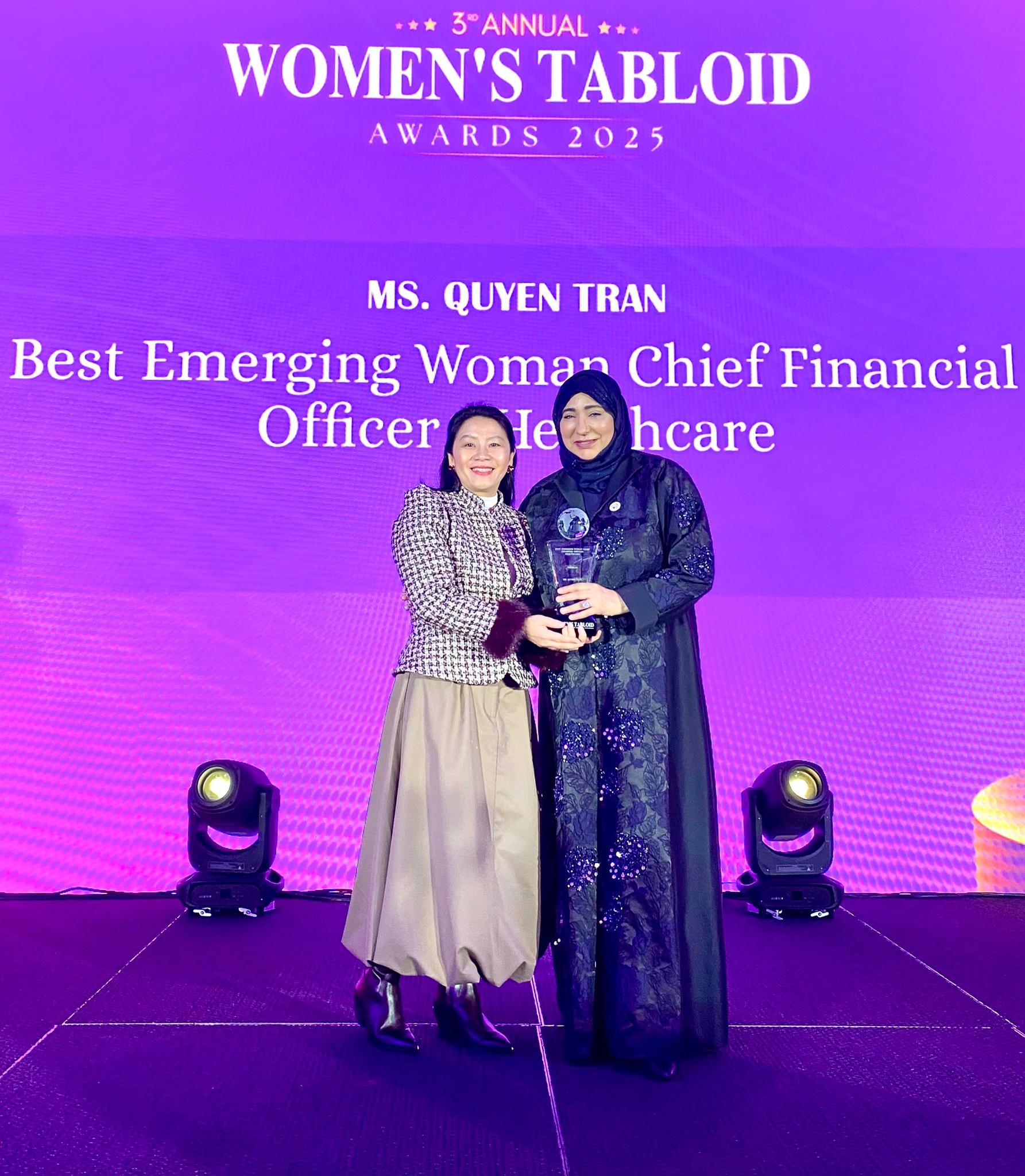
Tran Le Quyen was honoured as “Best Emerging Woman CFO in Healthcare 2025” at the Women’s Tabloid Award 2025 ceremony in Dubai.

You joined FV in 2002. When you started, what direction did you envision?

At that time, there were no established financial frameworks for an international hospital in Vietnam. But from the very beginning, through my training and work in the US, I have identified one thing very clearly: “Managing cash flow and business success are paramount in the job of a chief financial officer”. I view finance as a tool to help hospitals operate better.

In the hospital business, “products” are not goods, but come from doctors, nurses, medical equipment, and are used to serve patients. I was involved in building the system, from medical record software and IT systems related to finance and accounting, to how to record expenses and revenue for each actual hospital activity.

The FV financial system is built from the bottom up, and every figure in the report accurately reflects what is happening in each department. That mindset later shaped FV’s entire financial system.

How difficult were the early years?

For the first four years, the financial situation was very stressful. Private hospitals were a relatively new concept in Vietnam at that time, and it took a very long time for patients to trust them.

FV obtained financing from the International Finance Corporation, a member of the World Bank Group. They set extremely stringent reporting standards regarding transparency, timeliness, and accuracy. Although Vietnam did not yet have clear standards for private hospital finance at that time, FV’s financial system followed international standards from the beginning.

When was the first milestone you took real pride in?

That was the debt restructuring programme in 2007. It might not sound appealing, but for FV at that time, it was vital. The programme helped FV save approximately $13 million out of a total investment of $44 million. That figure significantly reduced the financial burden, allowing the hospital to continue its stable growth.

What is your general assessment of hospital finance?

The hospital sector is arguably the most complex of all sectors. Other industries may produce a similar product, with a nearly fixed cost structure. Hospitals are different. When performing surgery on a patient, each surgical procedure depends on medical supplies, equipment, medications, as well as the skill of the doctor. Each doctor has a different working style, different surgical durations, and different treatment indications.

Even patients are affected: some only need simple intervention, while others have multiple underlying conditions, longer treatment times, and varying costs.

Building a price framework that is both competitive and transparent, while covering actual costs and ensuring returns for investors is a very difficult problem. To solve this problem, the financial system must be extremely detailed and closely aligned with the actual operations of each department.

FV Hospitals CFO has been honored by Womens Tabloid magazine from the UK

“When hospital finances are done correctly, they contribute to improving the quality of treatment and even saving more patients’ lives,”
Tran Le Quyen, CFO of FV Hospital.

Financial decisions can have a significant impact on the quality of treatment. How does FV solve this problem?

From the very beginning, FV has set a mission to put the patient at the centre. I am very proud to say that we have never allowed finances to interfere with our doctors’ prescriptions.

There are many ways to increase profits, such as increasing testing, shortening hospital stays to rotate hospital beds faster, and choosing cheaper supplies. But FV didn’t do that. All professional decisions rest with the medical boards. The role of finance is to optimise processes and procurement so that doctors have the best conditions to treat patients.

FV is one of the most expensive hospitals in the industry, yet its service prices have remained stable for many years, even when exchange rates are constantly fluctuating. What does the finance department do to reconcile these two factors?

This is a problem that FV’s finance department has to solve every day. We have a detailed reporting system down to each department, and I also directly negotiate with many major suppliers and strategies to secure the best equipment purchase prices and terms. Most importantly, our hospital knows how to balance prices and high-quality treatment processes to attract enough patients to share depreciation so that the hospital can recoup its investment within the planning period or sooner.

For example, at the time we invested over $5 million in the Hy Vong Cancer Centre at the end of 2018, the centre’s revenue was only about $2 million per year. To date, thanks to a strategy of optimising equipment and treatment quality at affordable price, that figure has exceeded $10 million per year.

FV Hospitals CFO has been honored by Womens Tabloid magazine from the UK
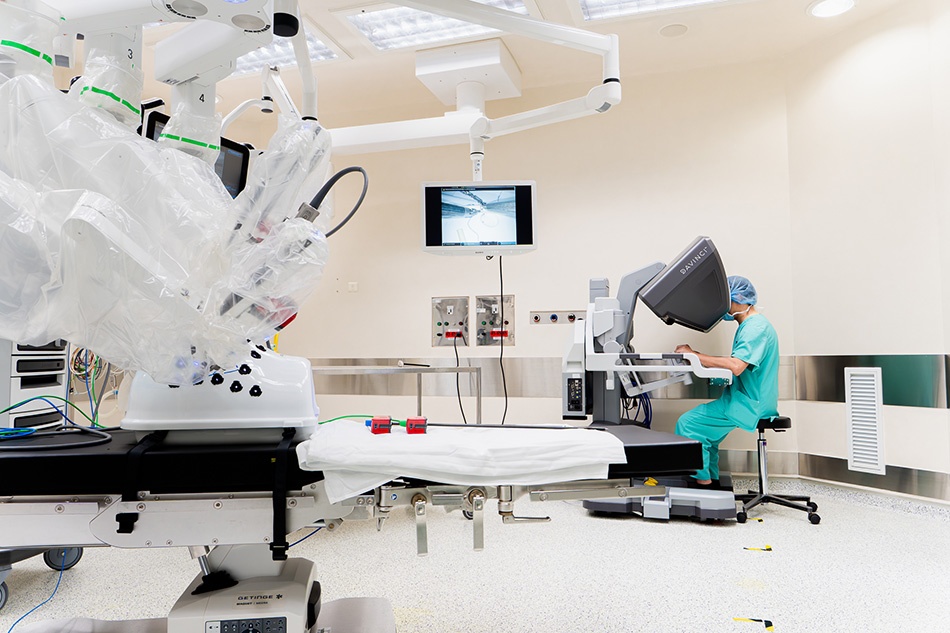
FV has equipped itself with the Da Vinci Xi robotic surgical system, worth over $3 million.

FV has also invested in the state-of-the-art Da Vinci Xi robotic surgical system, a leading technology in Southeast Asia. Robotic surgery offers many benefits but is not cheap; we are working with suppliers to offer attractive prices for patients to experience robotic treatment after the Lunar New Year 2026.

FV’s merger with Thomson Medical Group is considered one of the most high-profile M&A deals in the private healthcare industry. How did you feel when the deal was finalised?

When the deal was finalised, it was truly a “wow” moment. In fact, it is the result of nearly three years of preparation and over 20 years of building the financial system.

FV confidently chose to auction off the property to multiple investors simultaneously. Thanks to our detailed financial system spanning 60 departments, we can provide all the information investors need. They saw not just the assets, but a well-functioning, transparent, and scalable operating system. I am very proud that Thomson has such high regard for FV’s financial system.

After more than 20 years working in healthcare finance, how would you define your role?

The CFO is a partner with the company in building a sustainable financial foundation. That requires high EQ, a willingness to accept challenges, and a spirit of continuous learning, including the application of AI.

If the finances are done correctly, this will not only help hospitals grow, but also directly contribute to improving the quality of treatment and even saving more lives.

Tran Le Quyen joined FV in 2002 as a financial analyst. Since 2010, she has held the position of CFO at the hospital. After eight years back in the US with her family, she returned to FV to take on this position from 2017 to the present.

She made a significant contribution to the successful M&A deal of $382 million in Vietnam’s healthcare industry with Thomson Medical Group in 2023.

She is one of four female leaders from Vietnam have been honoured by Women’s Tabloid Magazine with the Women’s Tabloid Award 2026, alongside CEO Mai Kieu Lien (Vinamilk), CEO Le Hoang Diep Thao (TNI Corporation), and COO Ruby Hoang (Cho Tot).

Thomson Medical Group announces FV Hospital as member Thomson Medical Group announces FV Hospital as member

On January 17, the Singaporean Thomson Medical Group announced that FV Hospital has become a member after an acquisition deal worth VND9 trillion (around $380 million).

FV Hospital and O2 Healthcare Group set up first regional Thoracic Surgery Centre FV Hospital and O2 Healthcare Group set up first regional Thoracic Surgery Centre

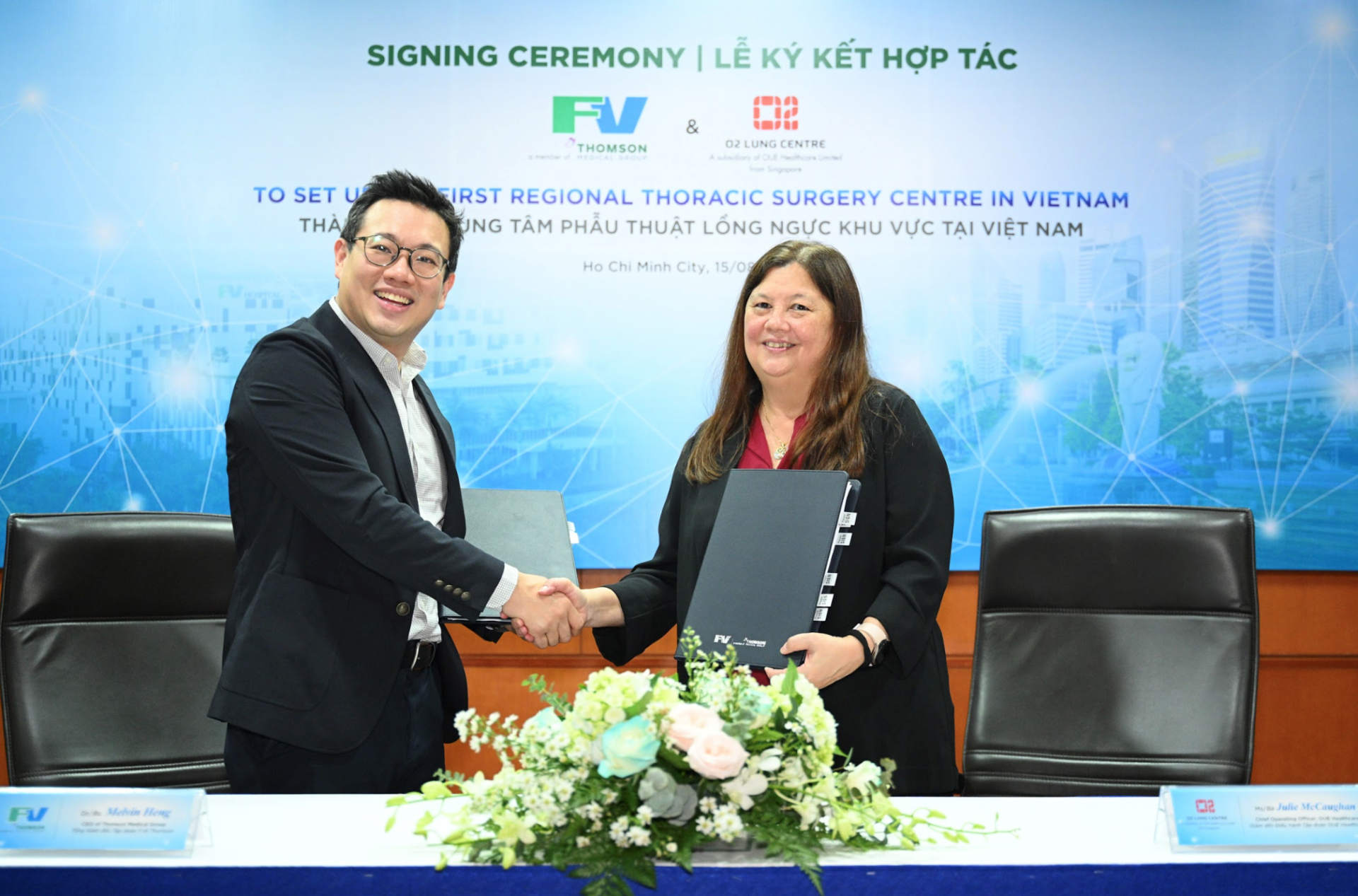
FV Hospital, a member of Thomson Medical Group, signed a memorandum of cooperation on August 15 with Singapore’s O2 Healthcare Group, a member of OUE Healthcare Limited, to set up the first regional Thoracic Surgery Centre in Vietnam.

FV Hospital's integrated care model proves comprehensive and effective FV Hospital’s integrated care model proves comprehensive and effective

The intensive care unit (ICU) is often seen as the frontline in the battle for patients’ lives, where the collaboration between multiple specialities determines success. At FV Hospital, a multidisciplinary, comprehensive care model has demonstrated remarkable effectiveness in treating critically ill patients.

Vietnam ready to increase purchases of US goods
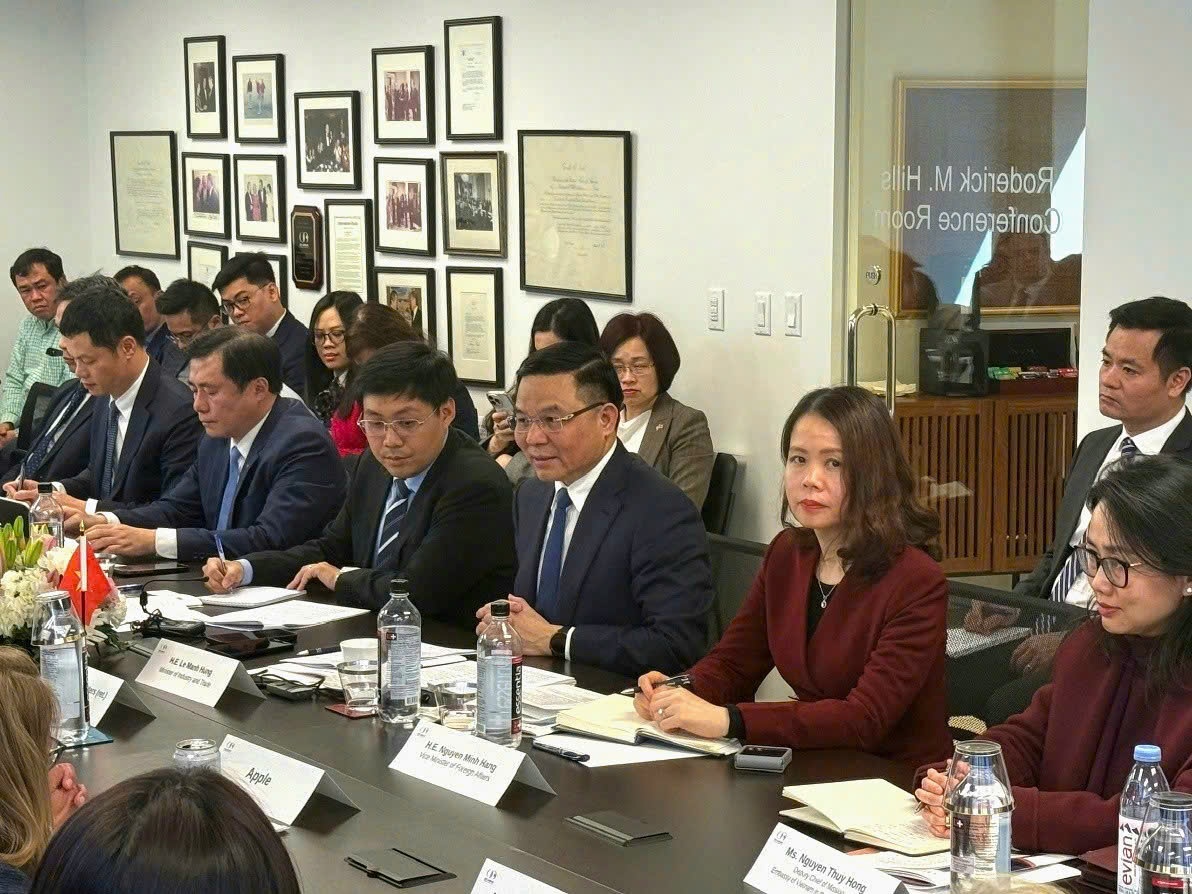
Acting Minister Le Manh Hung exchanges views with US enterprises at the roundtable

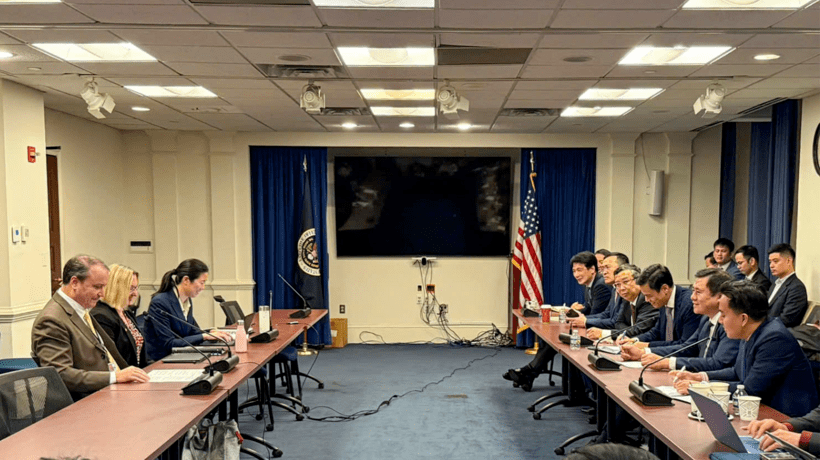
As part of the sixth round of negotiations on the Vietnam – US Fair and Balanced Reciprocal Trade Agreement, on February 2 in Washington, D.C., Acting Minister of Industry and Trade Le Manh Hung participated in a roundtable with the US – ASEAN Business Council (USABC).

Acting Minister Hung exchanged views with a group of US enterprises in the energy, industrial, and aviation sectors under the USABC. The event was a key business dialogue held on the sidelines of the sixth negotiation round of the Fair and Balanced Reciprocal Trade Agreement, reflecting Vietnam’s determination to consolidate and elevate bilateral economic and trade relations in a stable and sustainable way.

Speaking at the event, Acting Minister Hung said, “The US is one of Vietnam’s leading economic and trade partners. Bilateral relations should be shaped with a long-term vision, not only based on trade volumes or investment flows, but on the increasingly deep complementarities between the two economies, Vietnam’s growing role in global supply chains, and the strengthening alignment of strategic interests between the two countries.”

On that basis, Vietnam seeks to work with the US to build a stable, balanced, and predictable framework for economic and trade cooperation, thereby fostering long-term confidence for the business communities of both countries.

“Vietnam is ready to further expand imports from the US, particularly through procurement contracts for machinery, equipment, and high technologies,” he added. “In recent years, Vietnamese enterprises have implemented a number of large-scale contracts, notably Vietjet’s agreement to purchase 200 aircraft and Vietnam Airlines’ contract to buy 50 aircraft from Boeing. These deals have helped develop Vietnam – US trade relations in a more balanced, sustainable, and mutually beneficial direction.”

Addressing energy-related issues of interest to US companies, with the participation of major corporations in oil and gas, liquefied natural gas (LNG), and renewable energy, the Acting Minister underscored that ensuring energy security is one of Vietnam’s key development priorities.

Accordingly, LNG has been identified as an important transitional energy source, helping to balance supply and demand and support the energy transition, while offshore wind power and other clean energy sources represent a long-term strategic direction.

In the industrial and aviation sectors, Vietnam values and seeks to long-term cooperation in the development of modern industry, logistics, and air connectivity. The country prioritises selective investment in foundational industries with high value added, linked to supply chain development, supporting industries, technology transfer, and workforce training.

“Boeing continues to expand its supply chain in Vietnam, strengthen cooperation with domestic enterprises, and accelerate aircraft deliveries under signed contracts, thereby supporting Vietnamese airlines in expanding their fleets and enhancing operational capacity,” Acting Minister Hung said.

Regarding high technology and the digital economy, the acting minister added, “Semiconductors, high technology, and the digital economy are among Vietnam’s strategic priority areas. Our government is committed to institutional reforms, developing digital infrastructure, clean energy in production, and ensuring a secure competitive environment for investors.”

Following the plenary session, Hung held separate meetings with leaders of Apple, Excelerate Energy, and ExxonMobil to discuss in detail cooperation in high technology and energy. At these meetings, the Acting Minister listened to enterprises’ proposals, while clarifying Vietnam’s policy priorities and commitments to creating a stable, transparent, and favourable investment environment for long-term projects.

“The Vietnamese government regards the US business community as an important, long-term, and trusted partner, and is committed to further strengthening policy dialogue, promptly addressing difficulties within the legal framework, and accompanying enterprises based on shared development,” he said. “This serves as an important foundation for Vietnam – US economic and trade relations to be consolidated in a way that is both stable and enduring in the period ahead.”

Vietnam and US to launch sixth trade negotiation round Vietnam and US to launch sixth trade negotiation round

Vietnam and the United States are expected to launch the sixth negotiation for the Reciprocal Trade Agreement next week.

Vietnam-US trade discussions continue in Washington Vietnam-US trade discussions continue in Washington

Vietnam and the US have continued technical-level negotiations on their Fair and Balanced Reciprocal Trade Agreement, seeking progress towards a mutually beneficial outcome.

Vietnam and US make progress in fifth trade negotiation round Vietnam and US make progress in fifth trade negotiation round

Vietnam and the United States made notable progress during the fifth direct negotiation round on the Reciprocal, Fair, and Balanced Trade Agreement in Washington, D.C.

Vietnam-South Africa strategic partnership boosts business links
Bui Trung Nghia, vice chairman of VCCI

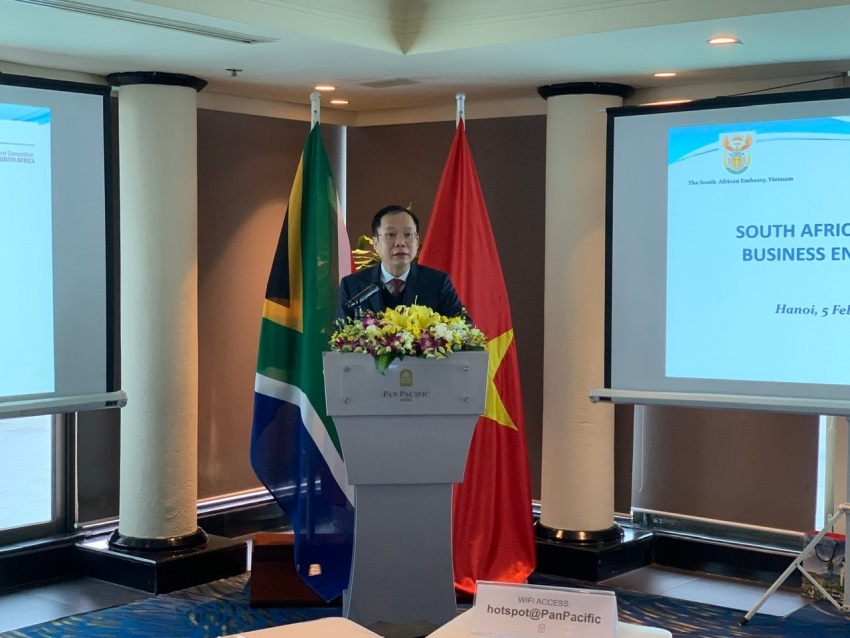
On February 5, in Hanoi, the Vietnam Chamber of Commerce and Industry (VCCI), in coordination with South Africa’s Department of Trade, Industry and Competition, held the Vietnam-South Africa Business Networking Meeting, with the participation of representatives from diplomatic missions, trade promotion organisations and business communities from both countries.

The event took place against the backdrop of Vietnam and South Africa upgrading their bilateral ties to a Strategic Partnership in 2025, providing a favourable political and legal foundation to promote cooperation in trade, investment and broader economic relations.

In his opening remarks, Bui Trung Nghia, vice chairman of VCCI, welcomed the South African business delegation led by the Department of Trade, Industry and Competition on its visit to Vietnam in the early months of 2026.

“Africa and the Middle East have been identified as markets with significant potential, alongside traditional markets such as the US and China,” Nghia said.

“Vietnam is focusing on diversifying export markets and strengthening enterprise capacity to participate more deeply in global supply chains. In this context, Africa is a highly promising market that is attracting growing interest from the Vietnamese business community,” he added.

Vietnam and South Africa share a long-standing friendly relationship, underpinned by an increasingly comprehensive legal framework. The elevation of bilateral relations to a strategic partnership last year is seen as a major step forward, creating fresh momentum for cooperation across a wide range of sectors.

South Africa is currently Vietnam’s largest trading partner in Africa. In 2025, total bilateral trade reached around $1.3 billion, down approximately 24 per cent on-year due to global economic headwinds. Vietnam’s main exports to South Africa include mobile phones and components, textiles and garments, footwear, rice, coffee and seafood, while imports from South Africa comprise coal and solid fuels, fruit, wine, beef and minerals.

Both sides are working towards a more balanced bilateral trade turnover of $4-5 billion within the next two to three years by expanding product categories, strengthening business linkages and better leveraging the complementary nature of the two economies. Vietnam is also encouraging members of the Southern African Customs Union to consider negotiations on a trade deal.

“These figures demonstrate that cooperation potential between the two countries remains substantial, particularly given the complementarity between the two economies. VCCI expects that businesses from both countries will make better use of cooperation opportunities in the time ahead,” Nghia said.

Building on the MoU signed between VCCI and the South African Chamber of Commerce and Industry in 2024, the two sides have committed to enhancing information exchange, partner matching and the organisation of trade promotion activities, exhibitions, business forums and market survey missions.

Sectors identified as having strong potential for cooperation include energy and mining, agriculture and food processing, industry and logistics, as well as technology and innovation.

With a network of more than 200 industry associations and nearly 200,000 member enterprises, VCCI stated its readiness to act as a bridge, working closely with South African authorities to further boost practical and effective economic and trade cooperation between the business communities of the two countries.

Vietnam continues to consolidate its position as one of Asia-Pacific’s fastest-growing economies, supported by a domestic market of over 100 million people, a competitive labour force, and steadily improving infrastructure. In 2025, an estimated GDP growth of 8.02 per cent was recorded, with the size of the economy reaching around $514 billion and per-person income at $5,026. Realised foreign direct investment amounted to approximately $27.62 billion, up 9 per cent on-year, reflecting continued confidence among international investors.

Import-export turnover reached $930 billion in 2025, an increase of 18.2 per cent on-year. Exports stood at $475 billion, while imports reached $455 billion. To date, Vietnam has signed 17 free trade agreements with major partners worldwide and is actively diversifying export markets while enhancing enterprise capacity to integrate more deeply into global supply chains.

Vietnamese businesses diversify amid global trade shifts Vietnamese businesses diversify amid global trade shifts

Domestic companies are increasing diversification across Southeast Asia while expanding into Latin America and other global markets, unlocking new growth opportunities amid a changing global trade landscape.

Vietnam ready to increase purchases of US goods Vietnam ready to increase purchases of US goods

Vietnam is willing to step up imports from the US, with a focus on machinery, equipment, and high technologies.

The generics industry: unlocking new growth drivers
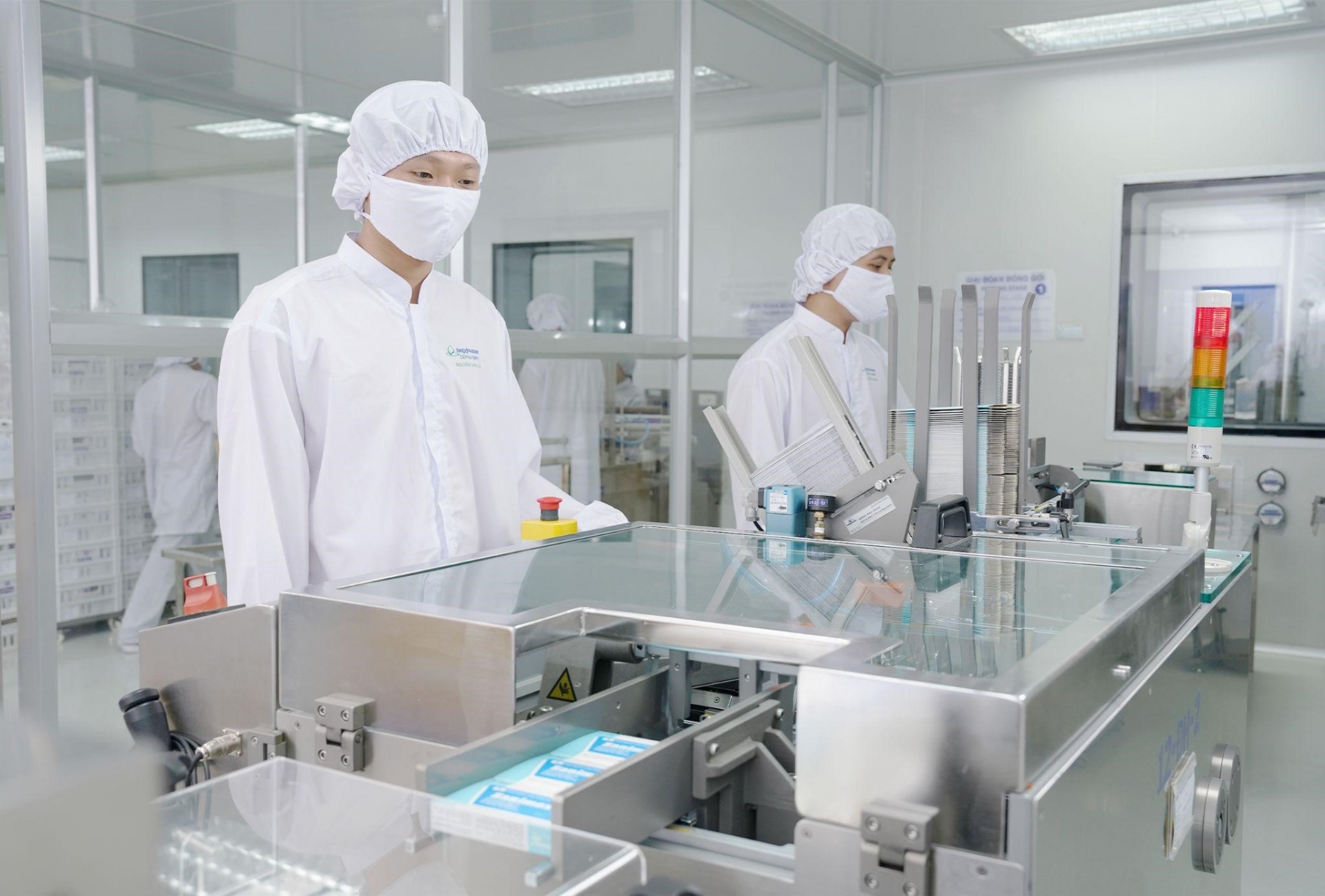
Inside Imexpharm’s EU-GMP–certified pharmaceutical manufacturing plant. Photo: Imexpharm

In the final days of 2025, Vietnam’s pharmaceutical sector marked a significant milestone as Imexpharm Corporation introduced its first “first generic” antibiotic – a next-generation product manufactured in compliance with EU-GMP standards.

First generic drugs are the earliest generic versions of originator medicines, typically entering the market within the initial years following patent expiry. Their introduction expands treatment options for physicians and patients alike, offering substantially lower costs while maintaining stringent standards of efficacy and safety.

This development signals an accelerating shift within Vietnam’s pharmaceutical industry towards a growth model driven by quality, advanced technology along with deeper investment. It reflects a strategic move away from the extensive, volume-based expansion of previous years towards a more sustainable and competitive value-chain upgrade.

EU-GMP: the gold standard

The generics industry: unlocking new growth drivers
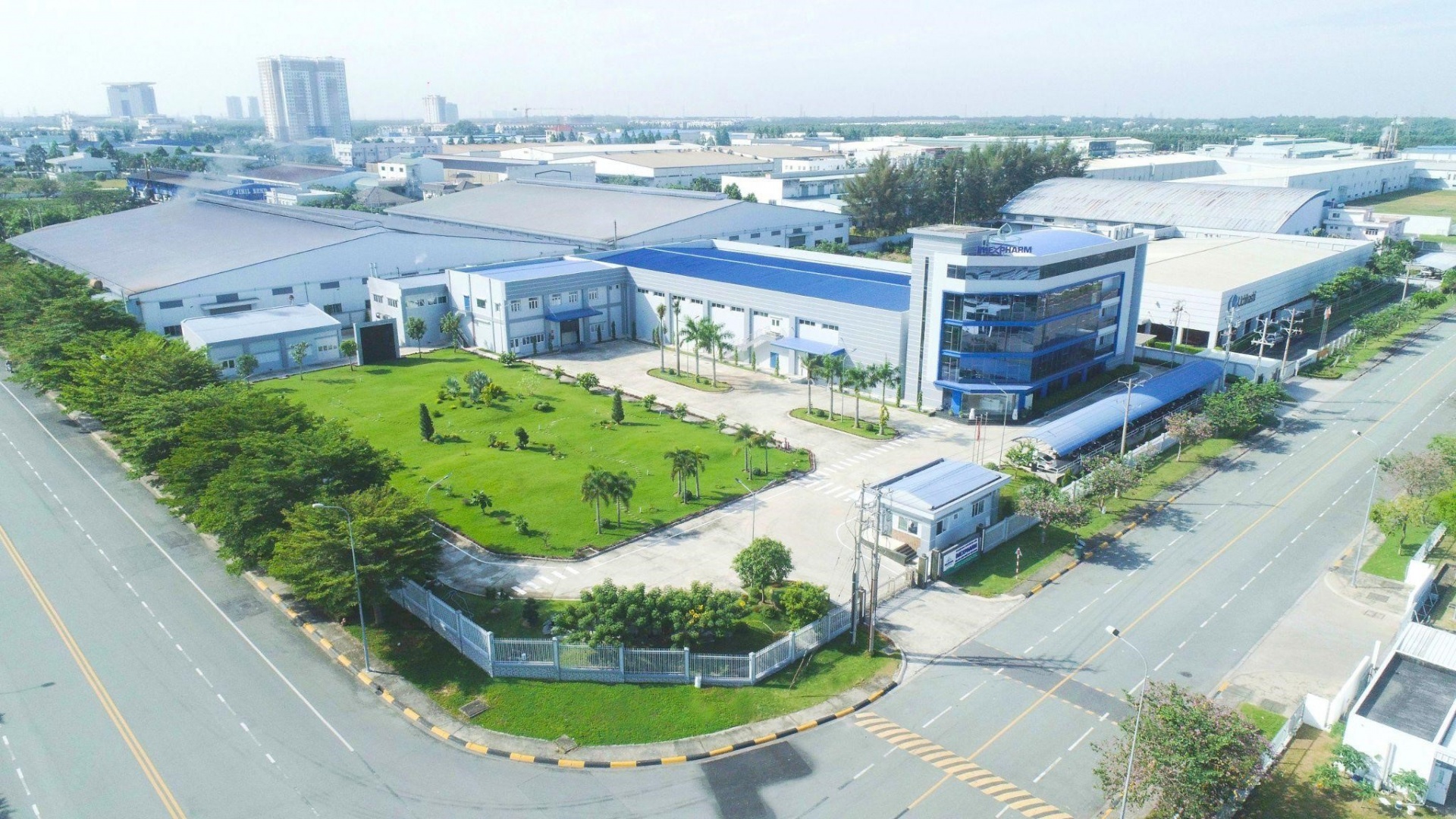
IMP4 Factory honoured in Binh Duong province’s Green Book. Photo: Imexpharm

Founded in 1977, Imexpharm quickly established a development strategy anchored in quality-driven decision-making across all aspects of its operations. From becoming the first pharmaceutical company in Vietnam to operate a non–beta-lactam manufacturing facility meeting GMP-ASEAN standards in 1997, Imexpharm has consistently set industry benchmarks.

Since 2014, the company has continuously invested in its factory system to meet EU-GMP standards. By the fourth quarter of 2016, it had become the first pharmaceutical enterprise in Vietnam to operate three EU-GMP–certified production lines simultaneously.

To date, it remains the domestic company with the largest number of EU-GMP–certified production lines, operating 12 lines across three manufacturing complexes – IMP2, IMP3, and IMP4.

Meeting the stringent requirements of EU-GMP allows businesses to master the technology for producing complex drugs and dosage forms such as multi-dose antibiotics, injectable drugs, and lyophilised powders for injection – segments that previously relied heavily on imported supplies. Through these capabilities, the company is reinforcing its role as a domestic manufacturer in the pharmaceutical supply chain.

EU-GMP is among the most rigorous pharmaceutical standards, requiring strict validation processes and regular reassessments by European regulatory authorities to ensure consistent and sustained quality.

Throughout production, raw material selection is governed by strict quality criteria and supplier compliance, in line with WHO-GMP and EU-GMP requirements. Meanwhile, the entire manufacturing process and associated data are continuously and tightly monitored, creating a transparent and robust foundation for product quality assurance.

R&D and international cooperation

The generics industry: unlocking new growth drivers
Research and development activities at Imexpharm’s EU-GMP–certified Pharmaceutical Plant. Photo: Imexpharm

To strengthen its capacity to produce high-tech pharmaceuticals in compliance with EU-GMP standards, Imexpharm has intensified cooperation with leading global pharmaceutical companies such as Sandoz, Sanofi-Aventis, Pharmascience, and Genuone Sciences Inc.

Most recently, the share transfer of Imexpharm between SK Group and Livzon – a pharmaceutical group in finished drugs and pharmaceutical raw materials (APIs), with a diversified portfolio spanning chemical medicines, APIs, and biological products – is expected by experts to create new opportunities for the company to receive technology transfers and gain access to leading pharmaceutical manufacturing standards.

As science as well as technology and data increasingly drives rapid advances in pharmaceutical R&D, Imexpharm’s expanded international cooperation and technology transfer are viewed as a positive long-term prospect, enabling greater access to cutting-edge technologies and diversified product portfolios from global partners. This approach is widely regarded as a sustainable growth model that relatively few domestic pharmaceutical companies possess the resources and capabilities to pursue.

Strategic depth

With a strategy centred on deep investment in EU-GMP–compliant production capacity and international cooperation models, Imexpharm has sustained positive growth over many years. During 2020–2024, the company recorded a compound annual growth rate of 15.3 per cent in total revenue.

By the end of 2025, Imexpharm’s gross revenue reached VND2.91 trillion ($111.94 million), representing a 16 per cent on-year increase and exceeding the domestic pharmaceutical industry’s average growth rate of 9 per cent (based on industry data as of the end of third quarter in 2025). Net revenue totalled $93.86 million, up to 10.7 per cent, with balanced contributions from both OTC and ETC channels.

The ETC channel posted growth of 11.8 per cent, reflecting rising demand for EU-GMP–certified products and a shift towards higher-value pharmaceuticals. Meanwhile, the OTC channel recorded an 18.3 per cent increase amid the gradual recovery of the pharmaceutical retail market. Revenue from modern pharmacy chains rose sharply, contributing to broader market coverage and reinforcing the company’s brand positioning.

Gross profit margin in 2025 is expected to improve to 41 per cent, supported by effective cost control, optimised production planning, and enhanced operational efficiency across manufacturing facilities.

“As a pioneer in the industry, we are committed to building a solid growth foundation based on rigorous quality standards, responsible innovation, and the delivery of long-term value to all stakeholder,” said Tran Thi Dao, general director of Imexpharm.

Beyond the domestic market, Imexpharm continues to expand internationally, holding 28 marketing authorisations in Europe for 11 products and steadily increasing its presence to more than 40 countries and territories worldwide.

Imexpharm sees strong first half growth with $47 million in revenue Imexpharm sees strong first half growth with $47 million in revenue

Imexpharm reported strong first half results on July 18, with net revenue up 22 per cent on-year, reaching nearly half of its annual target.

Imexpharm’s EBITDA margin rises to 22.3 per cent driven by cost management and growth Imexpharm’s EBITDA margin rises to 22.3 per cent driven by cost management and growth

In September 2025, Imexpharm’s profit before tax surged by 101 per cent, while EBITDA increased by 48 per cent.

Imexpharm named Vietnam’s best place to work in pharmaceutical industry Imexpharm named Vietnam’s best place to work in pharmaceutical industry

Imexpharm has been named the #1 Best Place to Work in Vietnam 2025 in the pharmaceutical, medical devices, and healthcare sector category.