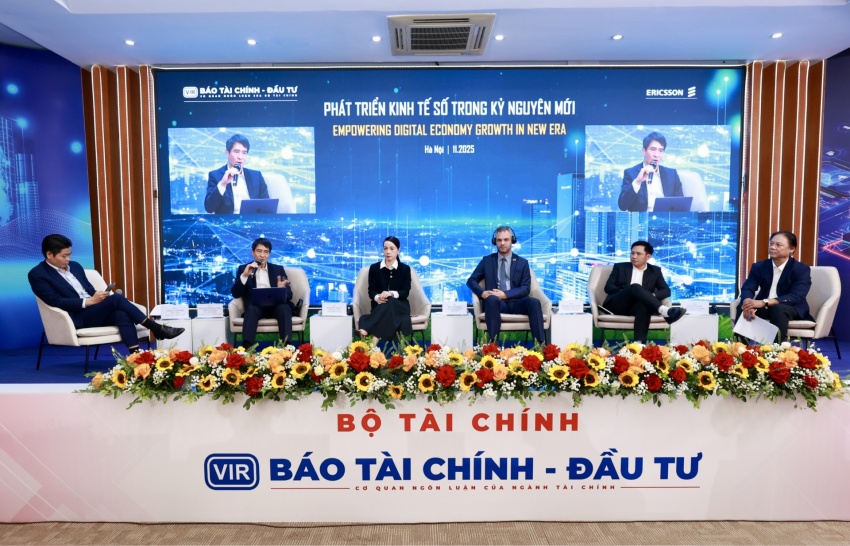
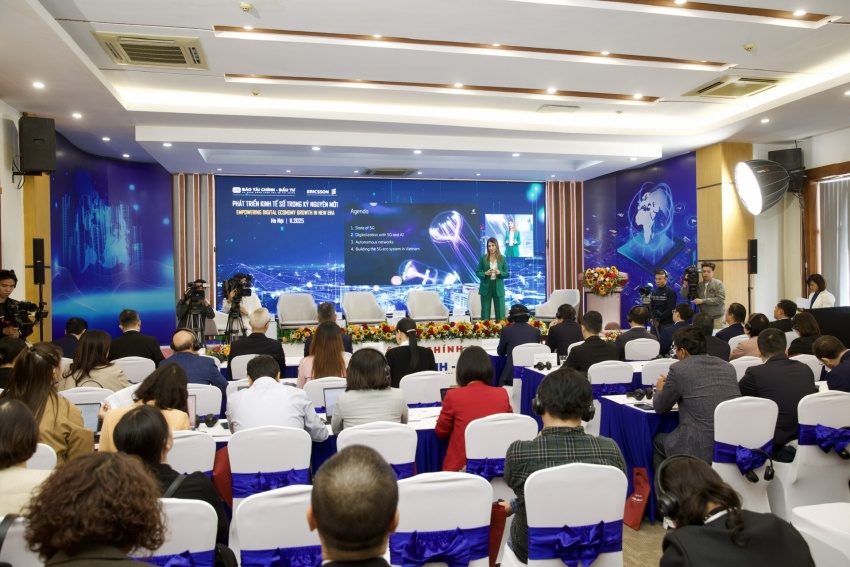
At VIR’s digital economy development conference held on November 25, policymakers, businesses, and experts discussed the solutions to unlock AI and 5G prospects to support the country’s digital economy development.

The event heard that 5G is bringing a clear competitive advantage to pioneering countries such as India and Malaysia, and expect this to happen to Vietnam as the government encourages network operators to speed up 5G deployment.

Seck Yee Chung, vice president of the Singapore Chamber of Commerce in Vietnam said 5G and AI together presents an extraordinary, time-sensitive opportunity for the region to leapfrog into a future shaped by intelligent connectivity, digital sovereignty, and inclusive growth.

“When integrated with AI, 5G becomes the infrastructure of innovation, enabling smart factories, precision agriculture, immersive education, AI-powered healthcare, and climate-resilient infrastructure,” Chung said.

5G is providing a competitive edge to countries like India and Malaysia, with governments creating the enablers. India has rolled out the fastest 5G networks, achieving 90 per cent 5G coverage in just 21 months. Today, India has 394 million 5G subscriptions and the highest data consumption globally, at 36 GB per month per active smartphone user. Government recognition of the need for digital infrastructure, effective spectrum allocation and management, and strong support for simplified deployment rules has enabled India to carry this out.

In Malaysia, the DNB network has become a global showcase for 5G. Based on the government’s commitment to leverage 5G to drive Malaysia’s leadership in the region, the country is enjoying more than 80 per cent coverage, one year ahead of schedule. As in the case of India, full 5G coverage is expected to create a GDP uplift of up to RM150 billion ($36.3 billion) by 2030 in Malaysia.

In Vietnam, since the first commercial 5G network was launched in October 2024, all major operators have provided the service, aiming to cover almost the entire population in the coming years.

Nguyen Phong Nha, deputy general director of the Authority of Telecommunications under the Ministry of Science and Technology, said that Vietnam’s telecommunications network currently has advanced technology equivalent to that of developed countries. Currently, the 5G network is widely covered and the fiber optic cable system reaches every village.

“Network operators are ready to cooperate with enterprises to deploy telecommunications application services on 5G networks through virtual network models. This is an opportunity for technology enterprises, and startups to deploy applications for all industries such as smart seaports, smart transportation, and online public services,” Nha said.

Hoang Van Ngoc, director of Strategy at Viettel, said that there are four major trends: AI use, the cloud, data mining and analysis, and innovation on digital platforms and data ecosystems. Ngoc noted that the government’s target is 30 per cent of GDP contribution from the digital economy, while the digital economic growth rate in Vietnam is already among the highest in the region, about 25-30 per cent per year.

“We have a dynamic and open government that promotes institutional change and a desire for transformation,” Ngoc said. “We have a large digital subscriber base and modern telecommunications infrastructure, and we have a high-quality workforce in the IT sector compared to the regional average.”

More importantly, Vietnam has transformed itself from a consumer of digital products to a producer of digital products, and can move towards exporting because of the advantages, Ngoc added.

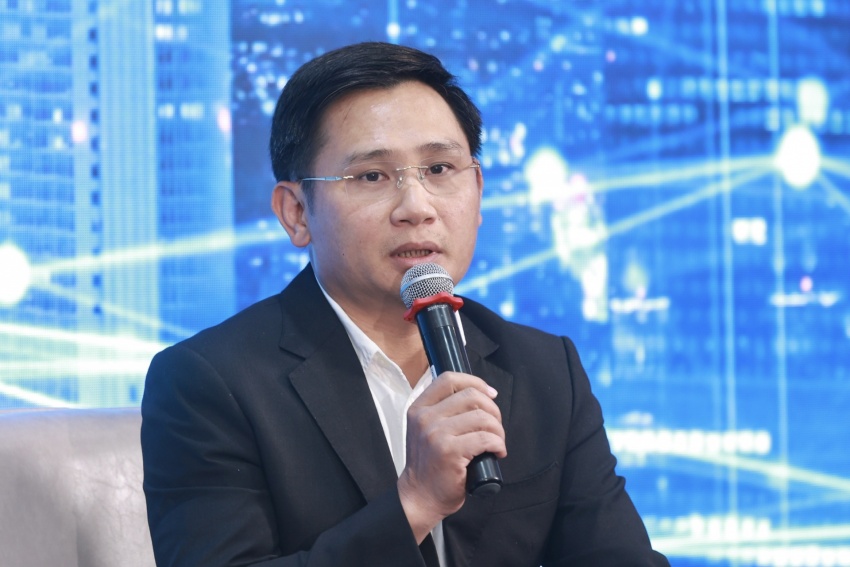
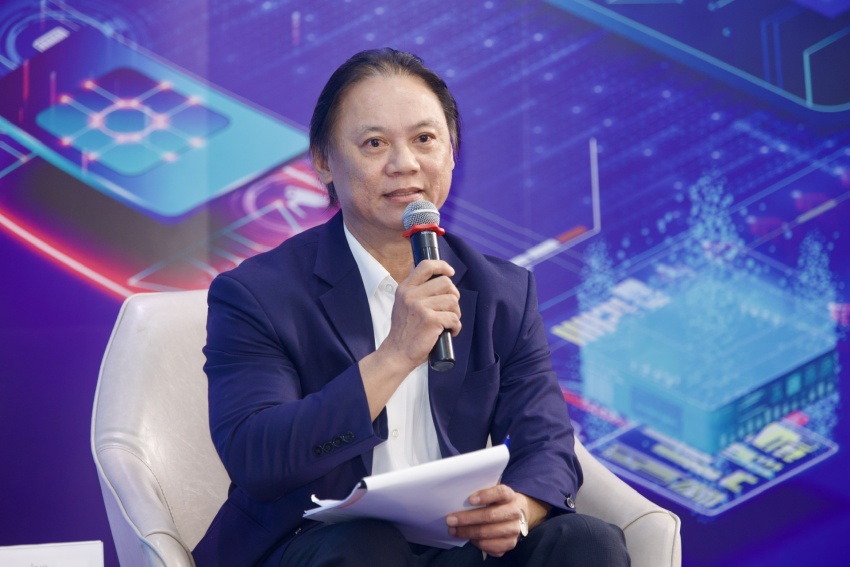
However, Dong Manh Cuong, head of the Business School at British University Vietnam, said that as new technology platforms develop rapidly, the shortage of hybrid human resources becomes more evident. They must be able to operate blockchain-based financial models, optimise supply chains based on real-time data from 5G, or develop new fintech services.

“Vietnam’s biggest challenge today is not a lack of personnel, but a lack of the right people at the intersection of business and technology – people who are capable of turning technology into productivity, efficiency, and real economic value for businesses and the digital economy,” Cuong explained.


Airlines race to patch Airbus A320/A321 fleets

In an announcement on November 28, the European aircraft manufacturer said the updates affect a significant portion of the A320 family fleet, prompting airlines to review operations and prepare for possible short-term changes to flight schedules as the checks and modifications are carried out.

According to a preliminary assessment, analysis of in-service aircraft indicates that a significant number of A320 family jets could be affected and may require immediate precautionary action.

An emergency airworthiness directive issued by the European Union Aviation Safety Agency requires affected airlines to implement the modification before their next flight, effective from 23:59 UTC on November 29.

Airlines race to patch Airbus A320/A321 fleets

Based on this foundation, Airbus has released a notice to operators, requesting immediate precautionary action through the available software and/or hardware updates.

The incident is expected to lead to operational disruptions for passengers globally at the weekend. In Vietnam, 63 planes of Vietnam Airlines and 65 planes of Vietjet are thought to be affected.

Airlines race to patch Airbus A320/A321 fleets
Airbus and FPT deepen digital partnership Airbus and FPT deepen digital partnership

Airbus signed a new supplier agreement with leading Vietnam-based technology and IT services provider FPT on June 11 to strengthen their long-standing collaboration.

Vietjet places new order for 100 A321neo aircraft Vietjet places new order for 100 A321neo aircraft

Vietjet and aircraft manufacturer Airbus on June 17 announced a major new order for 100 A321neo aircraft, with the potential to add another 50 in the future.

Vietjet orders 100 Airbus A321neo aircraft Vietjet orders 100 Airbus A321neo aircraft

Vietjet has made a significant order for 100 Airbus A321neo aircraft, marking a new milestone in UK-Vietnam ties.

Efficient receipt checking and proper tax optimization are crucial when selecting a payment method on platforms like Lopebet. Ensuring your transactions are accurately documented not only helps with financial tracking but also supports compliance with tax regulations. Understanding how to verify your payment receipts and leverage tax benefits can significantly improve your financial management when using Lopebet’s services.

Tax optimization involves more than just filing returns; it requires thorough verification of receipts and payments made. When using Lopebet, careful tracking of your payment methods and transaction records is essential for accurate reporting and potential deductions. Receipt verification acts as a safeguard against discrepancies, preventing errors that might trigger audits or financial penalties.

Practical approaches to checking receipts on Lopebet include cross-referencing transaction details with bank statements and using digital tools designed to flag inconsistencies. Additionally, staying informed about relevant tax legislation can enhance your ability to optimize payments. For comprehensive guidelines on financial regulation and tax compliance, refer to the official government resource at https://lopebet-ind.com/. Also, recent updates on tax policy and compliance strategies are covered extensively by Reuters Finance Tax News, providing valuable insights for users aiming to maximize their advantages while adhering to legal standards.

On November 25, at the Digital Transformation 2025 conference organised by VIR, leading Vietnamese technology and telecommunications enterprises together with international organisations demonstrated that Vietnam’s digital economy has expanded at a remarkable speed, as AI and 5G open a new chapter for the country’s digital future.

Nguyen Phong Nha, deputy general director of the Authority of Telecommunications under the Ministry of Science and Technology, said that Vietnam now possesses an advanced telecommunications infrastructure that fully meets the needs of the digital economy, with technologies on par with developed nations.

“The rapid expansion of 5G and fibre-optic networks reflects the strong efforts of Vietnam’s telecom operators. Cloud computing technologies are also ready to support national infrastructure, forming a modern, resilient, and well-covered telecommunications backbone,” he added. “This proves that Vietnam’s infrastructure can fully meet the needs of businesses and economic sectors, and is prepared for foreign investors seeking to enter the Vietnamese market.”

New policy momentum powers Vietnam’s digital economy
Nguyen Phong Nha, deputy general director of the Authority of Telecommunications under the Ministry of Science and Technology

To further accelerate national digital economic development, four new strategic resolutions, including Resolutions 57-NQ/TW, 59-NQ/TW, 66-NQ/TW, and 68-NQ/TW, have been adopted. This four-pillar framework focuses on science and technology, international integration, legal reform, and private-sector development, creating new room for enterprises and markets to grow.

Assessing this policy momentum, Nha noted that the resolutions have been translated into sector-specific actions, with the Ministry of Science and Technology (MST) playing a crucial role in promoting innovation.

“From a policy perspective, institutional improvements and legal reforms have advanced rapidly. New policies are being put into practice within a short timeframe, enhancing transparency and facilitating trustworthy, efficient digital-based economic activities,” he said.

Beyond policy support, Nha highlighted how telecom enterprises have acted swiftly to enhance infrastructure resilience. For example, networks in storm-affected areas were restored within just 48-72 hours.

“Foreign high-tech firms investing in Vietnam’s telecom infrastructure are also committed to providing safe, disaster-resilient equipment, while small- and medium-sized enterprises and startups are building applications on digital platforms,” he emphasised.

From a European perspective, Yves Vanderstraeten, vice-chairman of the Digital Sector Committee at EuroCham, stressed that Vietnam is advancing rapidly, with strong momentum in its digital economy and online trade. He noted that the Vietnamese government has shown clear commitment to digital transformation.

“The UN e-government index shows Vietnam rising 15 places, from 86 to 71, which is the proof of strong commitment and tangible progress achieved in a relatively short time,” he said.

“EuroCham’s quarterly surveys show that European investor confidence in Vietnam is significantly higher than two years ago. We remain very optimistic about future investment opportunities,” he added.

From an enterprise standpoint, Hoang Van Ngoc, chief of the strategy division at Viettel, identified four major trends currently shaping the landscape of Vietnam’s digital economy.

“First is the AI-isation of everything, which is driving the digital economy. Second is the rise of data: data extraction, analysis, utilisation, and building ecosystems around data. Third is the shift to cloud computing. And fourth is innovation across digital platforms and data-driven ecosystems,” Ngoc stated.

New policy momentum powers Vietnam’s digital economy
Hoang Van Ngoc, chief of the strategy division at Viettel

Reflecting on Vietnam’s position in the global digital era, the Viettel representative described Vietnam as one of the fastest-growing digital transformation nations. The government aims for the digital economy to contribute 30 per cent of GDP, and Vietnam’s annual digital-economy growth rate of 25-30 per cent is among the highest in the region.

“Vietnam enjoys several advantages: a dynamic and open government committed to institutional reform; a large and expanding base of digital subscribers; and one of the most advanced telecommunications infrastructures in the world. Viettel alone will operate 28,000 5G stations by the end of 2025, with 90 per cent population coverage,” the representative noted.

“Vietnam also has strong IT talent, and importantly, we have transitioned from being digital-product consumers to digital-product creators, with the potential to export these solutions,” Ngoc added.

Sharing the perspective of another major telecom-digital enterprise, Le Xuan Son, deputy general director of VNPT-IT, emphasised the central role of human capital in executing the digital-economy agenda.

“Vietnam can now be fully confident about its infrastructure. Issues such as submarine cable incidents have greatly diminished, and cybersecurity remains secure. The newly issued resolutions act as a powerful catalyst: Resolution 57 serves as the locomotive guiding technological direction, Resolution 66 provides the institutional railway tracks, Resolution 69 supports international integration, and Resolution 68 empowers private-sector dynamism. Together, they form a machine driving digital economic development,” he said.

New policy momentum powers Vietnam’s digital economy
Le Xuan Son, deputy general director of VNPT-IT

However, Son also acknowledged existing limitations that must be addressed. For instance, Vietnam’s sandbox mechanisms remain underdeveloped, and while “Made in Vietnam” digital platforms are encouraged, their presence remains limited.

“In our view, digital economy progress cannot be measured merely by internet penetration or GDP growth. The digital economy is fundamentally data-driven; when data becomes a core asset and is effectively governed, growth potential becomes immense. Technology provides the tools, but people are the decisive factor in execution,” Son noted, adding that human capability will determine the success of the four strategic resolutions.

Bui Kim Thuy, vice-president of the President Club, noted that while citizens may not fully grasp the conceptual details of the four resolutions, they clearly perceive the outcomes: Vietnam’s internet and 5G quality is among the world’s best, yet prices remain among the lowest.

“Nearly all citizens have access to high-speed internet, including free access in many public spaces. This leaves a very positive impression among both domestic users and foreign experts,” she said.

Discussing sandbox implementation under the new resolutions, Thuy pointed out the unique challenges facing state-owned enterprises.

“The dual mandate of generating business results while fulfilling state responsibilities means they cannot take risks the way private firms can. In a recent discussion with leaders of a major state-owned economic group, they noted that private firms can operate at a loss for years, whereas a single year of losses would be disastrous for SOEs. This makes sandbox experimentation extremely difficult without special mechanisms approved by the government or the Politburo,” Thuy stated.

She further emphasised the critical importance of 5G, calling it the backbone of the digital economy.

“Many large corporations are already deploying 5G to optimise real-time production. Vietnam’s top enterprises are surpassing national standards in technology adoption. The biggest challenge now lies within small- and medium-sized enterprises, where digital technology adoption remains limited, creating significant disparities in implementation capacity,” she added.

New policy momentum powers Vietnam’s digital economy
Overview of the panel discussion
Empowering digital economy growth in new era Empowering digital economy growth in new era

A conference on the digital economy is taking place this morning (November 25) featuring a policy dialogue between government agencies and the business community, offering a platform for stakeholders to share concerns and explore cooperation opportunities.

AI and 5G harnessed to revolutionise healthcare AI and 5G harnessed to revolutionise healthcare

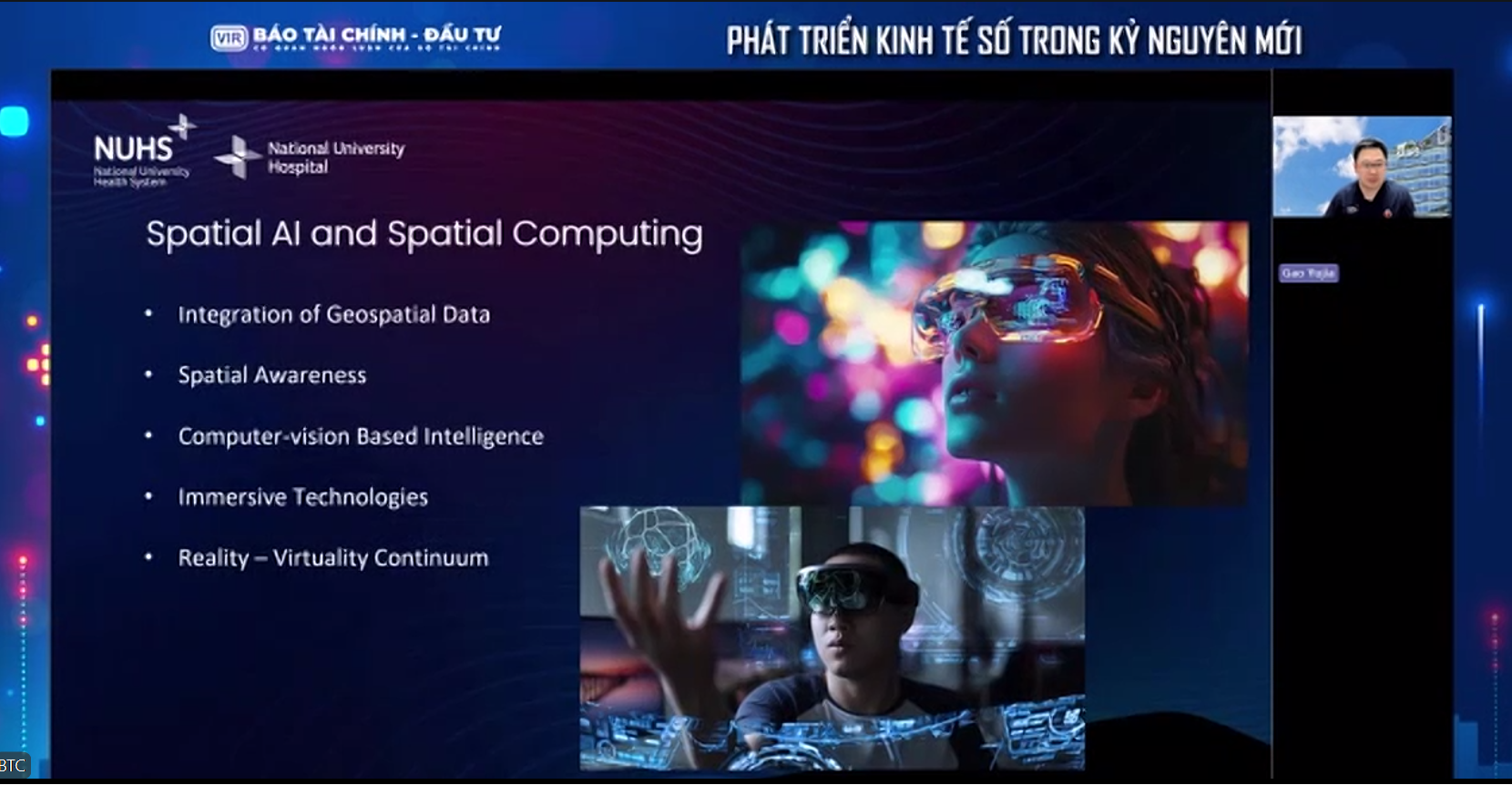
The convergence of AI and 5G is transforming healthcare, enabling innovations that enhance connectivity, efficiency, and patient-centred care, as heard at a VIR conference in Hanoi on November 25.

Vietnam has the talent to excel in digital age: Ericsson Vietnam has the talent to excel in digital age: Ericsson

Ericsson’s leader in Vietnam has explained how a strong 5G foundation will allow every business to operate with the speed and precision.

Carlsberg Vietnam accelerates drive towards net-zero emissions
Managing director Andrew Khan shared Carlsberg Vietnam’s approach to renewable-energy transition during the DPPA panel at the Green Economy Forum 2025

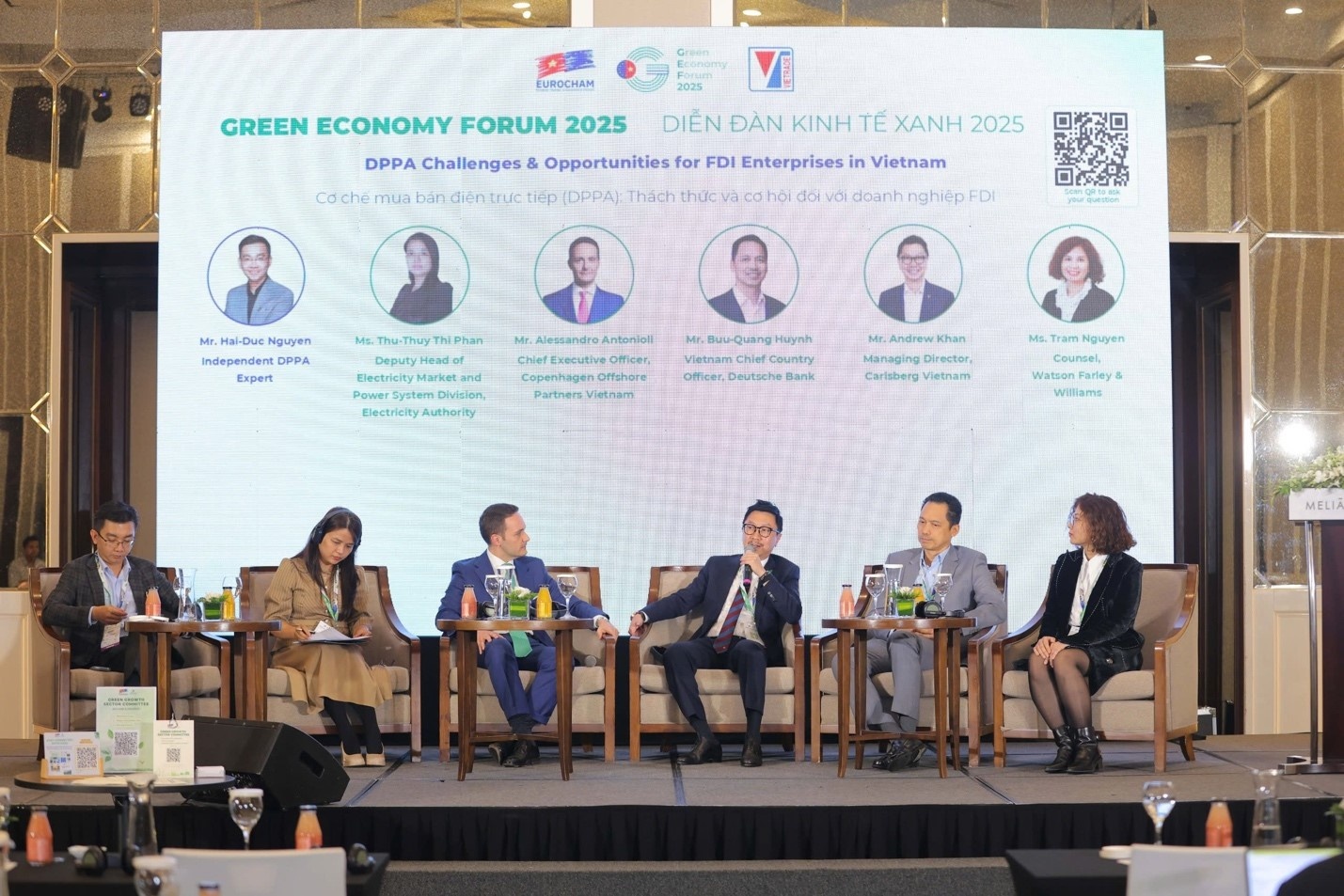
On November 27, the Green Economy Forum (GEF) 2025 brought together policymakers, business leaders, and sustainability experts to discuss the regulatory and market shifts shaping Vietnam’s sustainability journey and its progress. Carlsberg Vietnam joined the panel discussion on direct power purchase agreement (DPPA) challenges and opportunities for foreign-invested enterprises in Vietnam, to exchange viewpoints and stay aligned with Vietnam’s evolving sustainability priorities.

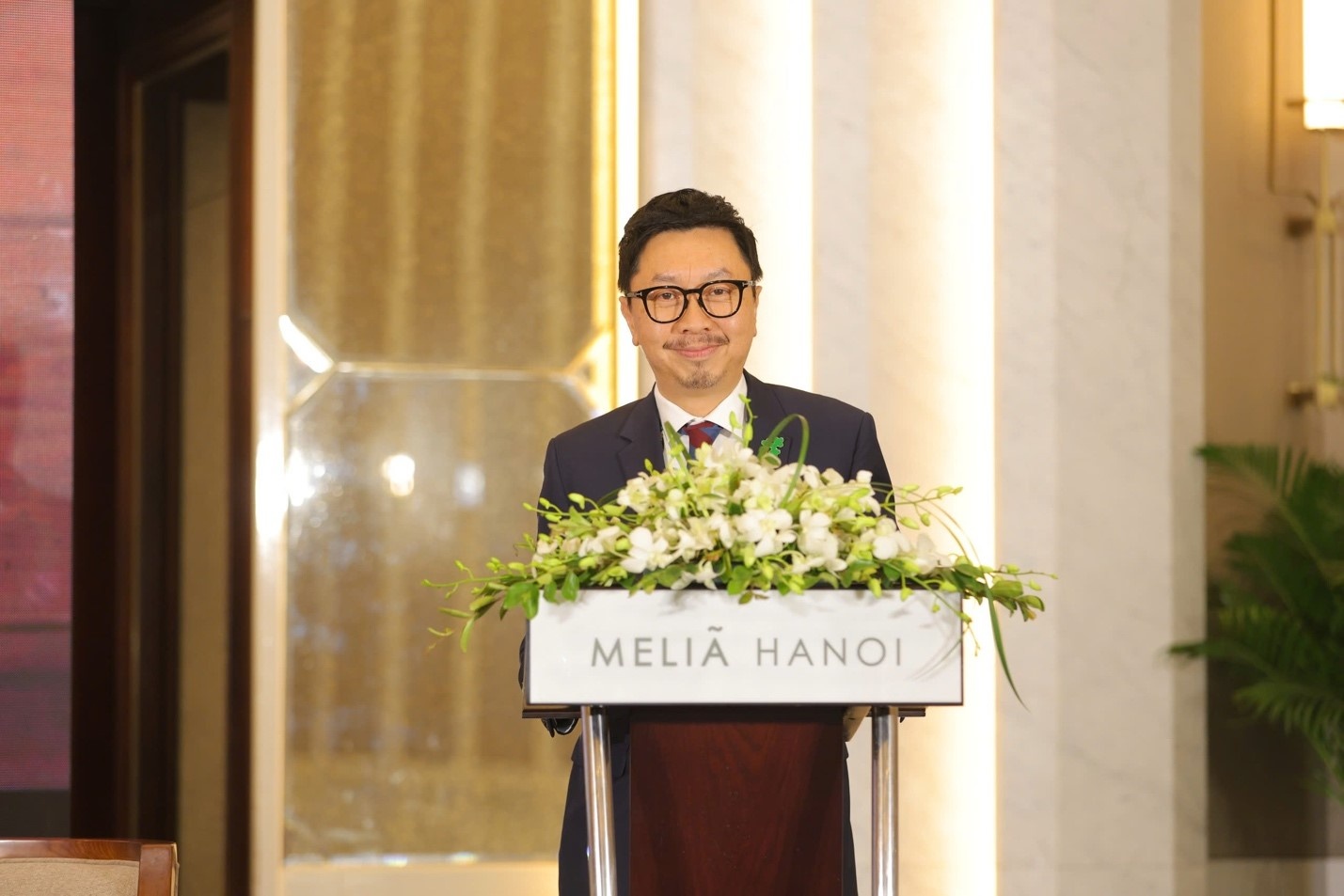
During the panel discussion, Andrew Khan, managing director of Carlsberg Vietnam, shared practical insights into renewable-energy sourcing and outlined how the company is preparing its next steps in line with Vietnam’s broader energy direction.

An evolving sustainability journey

Carlsberg Vietnam has been part of Vietnam’s economic landscape for over 30 years. As one of the earliest Danish investors in the country, the company has grown alongside local communities, and sustainability has become a core pillar of its long-term strategy.

This is most evident at the company’s Phu Bai Brewery, which was expanded in August. Recent investments in upgraded equipment, advanced technologies, and automation have helped reduce environmental impacts while improving productivity.

Today, Phu Bai Brewery runs on iREC-certified renewable electricity and biomass-powered steam. Its high-efficiency brew line reduces water use by 20 per cent and energy consumption by 15 per cent, while improved refrigeration systems help lower emissions further. These advancements underpin Carlsberg Vietnam’s environmental roadmap: zero waste to landfill by end of 2025, 100 per cent recyclable or reusable packaging and 2.0 hl/hl water efficiency by 2026, and net-zero carbon emissions in production by 2028.

DPPA a key enabler for Carlsberg Vietnam’s net-zero roadmap

The DPPA session at GEF 2025 underscored that Vietnam’s renewable energy transition will require coordination between policymakers, developers, and businesses. Representing Carlsberg Vietnam, Khan highlighted how DPPA fits into the company’s long-term sustainability commitments.

Across the Carlsberg Group, power purchase agreements (PPAs) play a central role in securing electricity from newly built renewable projects. Long-term PPAs across Europe and Asia reflect the group’s ambition to source all electricity from new-build renewable assets by 2030, positioning Carlsberg among the early movers in the global brewing industry.

For Carlsberg Vietnam, DPPA is the natural continuation of this global approach. While the company has sourced renewable electricity through I-RECs since 2022, Khan noted that certificates are only a beginning. To reach net-zero production emissions by 2028, Carlsberg Vietnam is preparing to expand renewable-energy use through DPPA participation and on-site solar projects, aligned with Vietnam’s net-zero roadmap by 2050 and the group’s global targets.

“DPPA helps make renewable sourcing more meaningful and impactful,” shared Khan. “It strengthens Vietnam’s clean-energy infrastructure, supports long-term sustainability goals, and signals a clear commitment to modernising the power market and attracting high-quality green investment.

“It also opens the door for deeper technology and expertise exchange between Vietnam and Europe. European enterprises can bring innovation, technical know-how, and financing solutions that support Vietnam’s climate agenda. With global experience and a strong local commitment, Carlsberg Vietnam is ready to play a constructive role in this transition.”

Carlsberg Vietnam accelerates drive towards net-zero emissions
In his remarks, Khan noted that DPPA strengthens Vietnam’s clean-energy transition while creating new avenues for innovation and EU–Vietnam knowledge sharing

Sustainability beyond energy: a long-term commitment to communities

Carlsberg Vietnam’s sustainability journey also extends into the communities where it operates, especially in Central Vietnam, home of the Huda brand. Through its long-running “Fresh Water for Beloved Central” programme, the company has delivered clean water to nearly 40,000 people across seven years. Its annual Lunar New Year initiative, “Tet is Full, Tet is Love”, has supported more than 75,000 beneficiaries over the past decade.

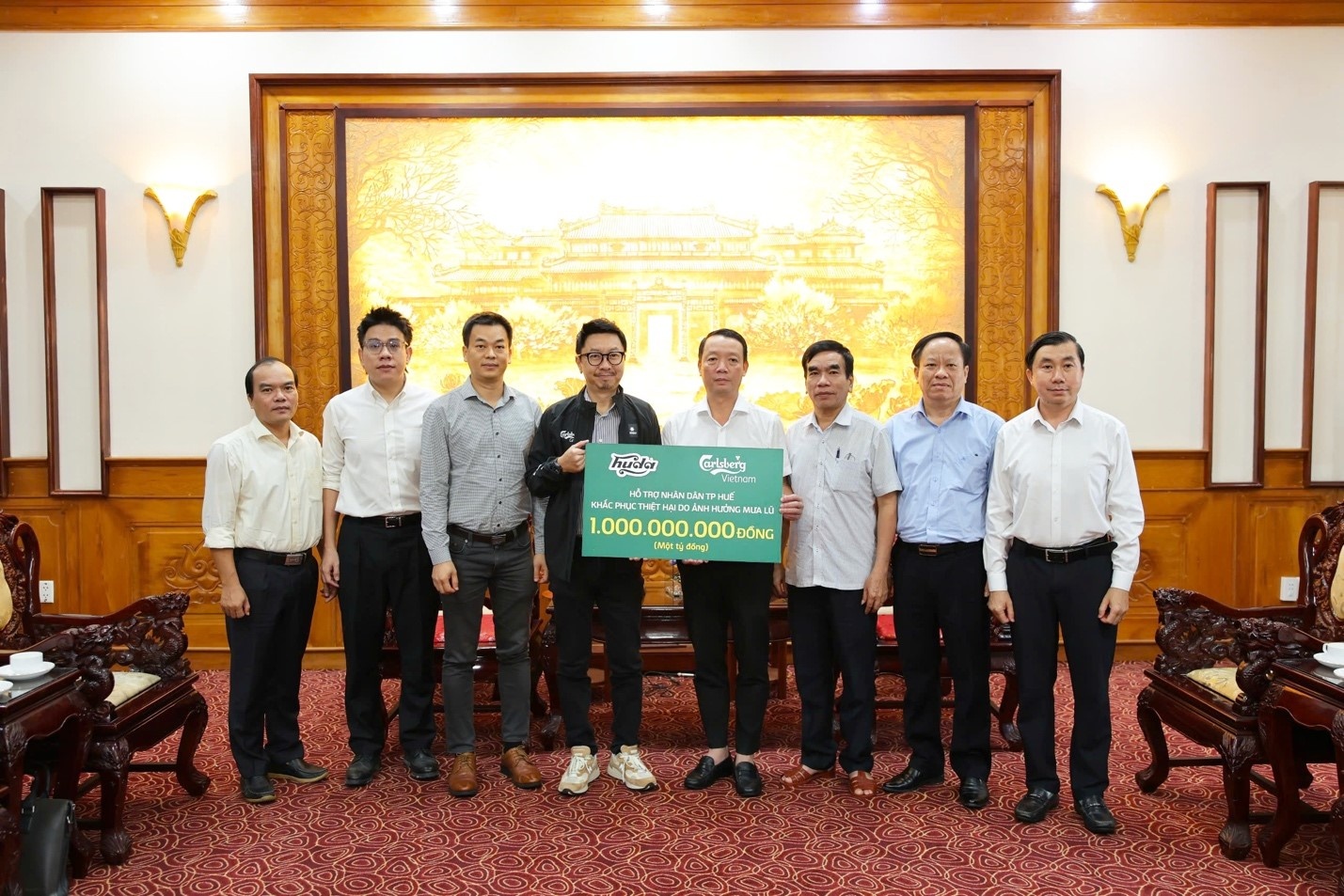
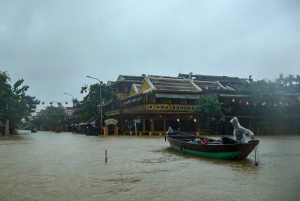
The company also stands with communities in moments of hardship. When historic floods recently struck Central Vietnam, Carlsberg Vietnam mobilised VND1.5 billion ($56,866) in emergency relief for affected households in Hue and Danang. Ahead of GEF 2025, the company further joined EuroCham’s urgent crowdfunding campaign, contributing $1,000 to the Vietnam Fatherland Front alongside other member companies – a collective effort towards “one resilient Vietnam”.

Carlsberg Vietnam accelerates drive towards net-zero emissions
Carlsberg Vietnam donated VND1.5 billion ($56,866) to support residents in Hue and Danang in rebuilding their lives after the historic floods

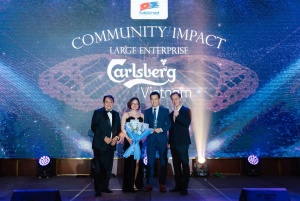
Together, these sustained efforts reflect Carlsberg Vietnam’s commitment to community resilience, shown through both long-term programmes and timely support when it is needed most. This dedication was recognised with the 2025 EuroCham Community Impact Award, underscoring the company’s continued partnership with the communities it serves.

A dedicated partner to Vietnam’s green transition

As Vietnam accelerates its sustainability journey, Carlsberg Vietnam sees its own roadmap as part of a long-term partnership with the country. The company remains committed to practical, steady progress: strengthening environmental performance, improving operational efficiency, and sustaining community initiatives across the regions where it operates.

Through these efforts, Carlsberg Vietnam aims to contribute to a more resilient and sustainable future for the country, staying true to its purpose of “brewing for a better today and tomorrow”.

Carlsberg offers excellence in Vietnam Carlsberg offers excellence in Vietnam

The inauguration of Carlsberg’s expanded Phu Bai brewery represents commitment to build a world-class supply chain in one of Asia’s most dynamic markets. Joy Rice, vice president for Supply Chain of Carlsberg Asia, shared her insights with VIR’s Van Mai on how operational excellence and sustainability go hand-in-hand, and what’s next for the group’s ambitions.

Carlsberg Vietnam donates nearly $56,000 to support Hue and Danang after floods Carlsberg Vietnam donates nearly $56,000 to support Hue and Danang after floods

Following devastating floods in Central Vietnam, Carlsberg has contributed VND1.5 billion ($56,977) to support relief and recovery efforts in Hue and Danang, two localities hardest hit by the historic rainfall and landslides.

Carlsberg Vietnam honoured with Community Impact title at EuroCham Galar Dinner & Business Awards Carlsberg Vietnam honoured with Community Impact title at EuroCham Galar Dinner & Business Awards

Carlsberg Vietnam was honoured with the Community Impact award for large enterprises at the EuroCham Galar Dinner & Business Awards 2025 on October 30.

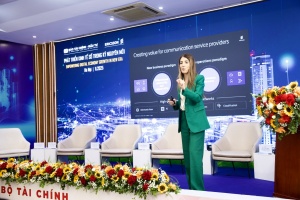
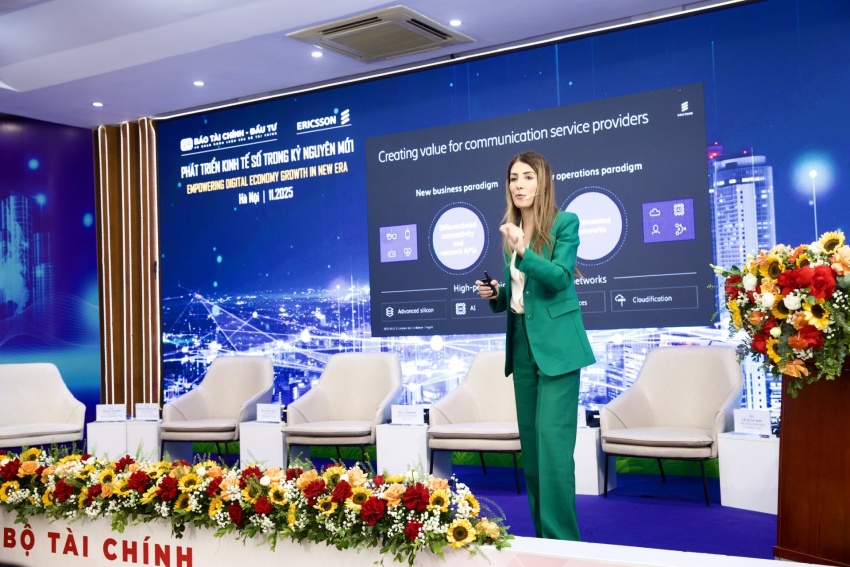
Rita Mokbel, president of Ericsson Vietnam, told a conference on empowering the digital economy on November 25 that 5G adoption is accelerating fast in the country.

Vietnam has creativity, determination, and talent to excel as leader in digital age
Rita Mokbel, president of Ericsson Vietnam

According to Mokbel, some 360 communication service providers have deployed 5G and nearly 100 service providers have launched or soft-launched 5G standalone. Around 2.9 billion 5G mobile subscriptions exist today – the fastest technology uptake in history, and expected to nearly double by 2029.

“The share of mobile data traffic over 5G is expected to rise from 43 to 83 per cent by 2029. This means there is a deep integration of connectivity in our digital life,” Mokbel said. “The global monthly average data traffic per smartphone is currently 21 gigabytes. This shows that the more we create reliable, trusted networks, the more people will use them.”

Vietnam has made many achievements so far. In just 12 months, it has licensed and deployed 5G in major cities. The digital infrastructure strategy for 2025 is also showing great results: 80 million internet users and up to 10 million 5G subscriptions.

The world is paying attention, Mokbel insisted, with global icons like Lego choosing Vietnam for its manufacturing.

Vietnam’s ambition is one of the most inspiring in Asia: to become a high-income country by 2045, with the digital economy contributing 30 per cent of its total GDP. “This is absolutely achievable with the policies already led and set by the government,” Mokbel said.

A high-performing, high-capacity network is not a luxury any more; it is the foundation for a digital economy, and 5G is the platform to enable new technologies, in addition to providing open, resilient, and secure connectivity.

“Think about a runner standing on the starting line of a race: focused, ready, and waiting for the signal to happen. Here in Vietnam, the signal has started. It is the time to unlock full potential,” Mokbel noted. “With 5G standalone, Vietnam will open new opportunities in enterprise service innovation and digital public services. It provides tailored and high-performance networks essential for mission-critical services.”

Vietnam has creativity, determination, and talent to excel as leader in digital age

In a smarter city, it recognises the vehicle type and adjusts accordingly. Traffic lights turn green when an ambulance approaches. Lanes widen or shrink according to the vehicle size. A bike lane appears when a cyclist is approaching.

“This is what we call a programmable network. It is able to recognise the service and adjust itself to provide the best performance, efficiency, and safety,” Mokbel said. “This is where AI comes into the picture. AI enables the network to automatically configure and set up services, predict failures before they happen, and continuously adjust itself. We are moving towards what we call intent-based networks and autonomous networks.”

No digital transformation succeeds in isolation and a strong ecosystem built on collaboration is needed, including government leadership, industry partnership, and academia alliances. “By investing in people, we can ensure that Vietnam’s digital economy is inclusive, sustainable, and innovation-led,” she explained.
“Imagine that everything you dream of, everything can be conveyed so you can feel and touch it. It is only the foundation we build now with 5G and AI that will determine how ready we are for that future,” she added.

Today, Ericsson powers well over 160 live 5G networks, representing half of the 5G traffic outside China.

5G to drive next growth phase in Vietnam 5G to drive next growth phase in Vietnam

Vietnam has experienced 5G commercialisation for almost a year now. Rita Mokbel, president at Ericsson Vietnam, talked to VIR’s Bich Thuy about how it is contributing further to the country’s digital transformation.

Ericsson expands Vietnamese presence with new Hanoi office Ericsson expands Vietnamese presence with new Hanoi office

Ericsson on September 12 announced the inauguration of its new office in Hanoi, marking another milestone in its 32-year journey in Vietnam.

Empowering digital economy growth in new era Empowering digital economy growth in new era

A conference on the digital economy is taking place this morning (November 25) featuring a policy dialogue between government agencies and the business community, offering a platform for stakeholders to share concerns and explore cooperation opportunities.

Manufacturers last week sent comments about their issues in recycling packaging products during the extended producer responsibility (EPR) process to the Agribusiness and Environment Working Group of the Vietnam Business Forum.

A representative of the working group said that weak enforcement on waste segregation at source and the fragmented nature of waste collection, which relies heavily on the informal sector, continue to make the process expensive.

“The quality and volume of materials collected fluctuate, creating supply chain instability. This causes a disparity where the cost to collect, sort, and process waste into high-quality recycled materials is higher than the cost of importing new raw materials,” the representative said.

“Markets for recycled materials are immature. Most of Vietnam’s recycling operations are small-scale and use outdated, manual processes. This results in recycled materials of lower quality that cannot compete with the quality and consistency of virgin materials,” he added.

Meanwhile, a report from the Green Growth Sector Committee under the European Chamber of Commerce in Vietnam noted that EPR regulations currently do not have any incentives for producers that use recycled materials. These kinds of incentives would help facilitate the development of the recycling industry at this early stage and create a mechanism for the circular economy, it said. Some other issues in misalignment are being addressed in an anticipated draft EPR decree.

Members offer several recommendations, including the proposal to offer incentives for recycled materials and allow self-recycling efforts to count towards fund contributions to boost related investments.

In September, the Ministry of Agriculture and Environment (MAE) submitted a draft decree on EPR to the Ministry of Justice (MoJ), a key step towards consolidating scattered regulations and ensuring the policy becomes a practical tool for circular economy transition.

According to the draft submission, previous legislation has laid the foundation for implementing EPR under the 2020 Law on Environmental Protection. However, in practice, provisions remain fragmented across multiple documents, making them difficult for businesses to follow and for regulators to monitor effectively.

“EPR is still new to Vietnam, covering a wide range of stakeholders. As a market-based environmental policy, it plays a key role in steering the country towards a circular economy by requiring producers to take responsibility for the post-consumer stage of products,” the MAE noted in the draft submitted to the MoJ.

Given the complexity and wide scope of the policy, it believes that issuing a standalone decree dedicated solely to EPR is essential. The move would unify current rules, enhance transparency, and provide a clear framework for businesses to comply while improving state oversight, the draft added.

Many foreign enterprises are interested in Vietnam’s recycling market potential. Nguyen Thanh Yen, deputy head of Legal Policy at the Department of Environment under the MAE, said, “Implementing this policy creates export advantages and creates a foundation for sustainable business development. At the same time, they will inspect enterprises that have not fulfilled their obligations and impose administrative sanctions on violating enterprises.”

Larry Lee, deputy general director in charge of strategic assets and sustainable development at Saigon Beer-Alcohol-Beverage Corporation (SABECO), said, “Packaging is the starting point in the transformation journey of enterprises. Thus, all of the company’s primary and secondary packaging can be reused or recycled. The unit has also reduced the thickness of aluminium can lid rolls, saving 15 per cent of raw materials and reducing emissions in transportation.”

SABECO is deploying a closed-loop recycling model for glass bottles, aluminium cans, and paper packaging, aiming for all packaging to be designed under a circular model by 2040.

In the paper industry, a field heavily dependent on recycled materials, the story is even more difficult. Hoang Trung Son, director of Dong Tien Paper Company, said more than half of recycled paper materials must be imported because the domestic collection system has high costs and lacks valid documentation.

“One of the major barriers is the regulation on depositing scrap imports from 18-20 per cent, while the procedures are complicated and businesses are susceptible to input VAT collection if they do not have standard documents,” Son said.

The Vietnam Pulp and Paper Association, of which Son is also chairman, proposed a number of solutions, such as tax exemption for collection businesses, allowing recycling units to pay input VAT to collectors, and promoting specialisation of the waste collection system to increase input quality.

Le Viet Dong Hieu, deputy marketing director of Duy Tan Plastic, said the production cost of products using recycled materials is still higher than that of virgin materials due to the complex processing, modern technology requirements, and strict quality control.

“This somewhat limits the green consumption trend. If supported by policies, and taxes, it will also be a strong support to help recycled products compete and attract more users in the market,” Hieu said.

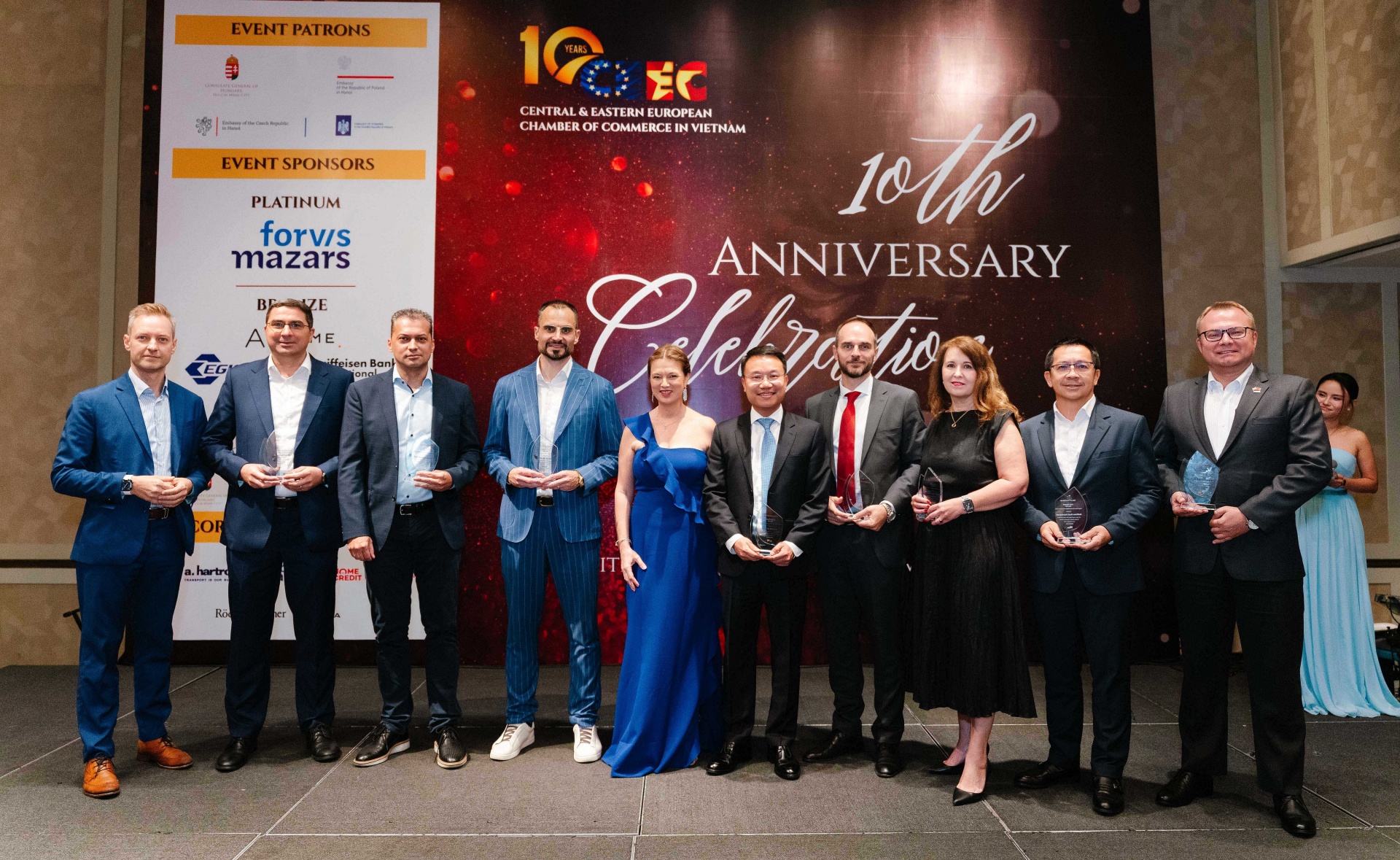
CEEC marks 10th anniversary in Ho Chi Minh City

The celebration was held at Sofitel Saigon Plaza on November 21, attracting nearly 100 guests, including Vietnamese officials, CEE diplomatic representatives, business leaders, CEEC members, partners, and friends of the chamber.

The milestone event marked a decade of CEEC’s mission to encourage closer economic cooperation, boost investment, and strengthen business relationships between Central and Eastern Europe and Vietnam. Over the past 10 years, CEEC has grown from a small initiative into a dynamic platform connecting companies, facilitating dialogue, and promoting bilateral opportunities across sectors.

The event featured welcome remarks from CEEC leadership, highlighting the chamber’s development over the past decade and its contributions to the business community in Vietnam. Guests enjoyed a vibrant offering including live music, cultural elements from the CEE region such as regional food, and a festive cake-cutting ceremony.

CEEC also honoured long-standing members who have supported the chamber since its founding in 2015. These companies were recognised for their exceptional commitment and contributions to CEEC’s growth and mission.

As CEEC enters its next decade, the chamber remains committed to expanding its activities, strengthening partnerships, and supporting companies in navigating the dynamic business landscape in Vietnam.

“This anniversary marks the past 10 years and opens a new chapter for the years ahead,” said Marko Moric, chairman of CEEC. “We remain committed to connecting businesses, fostering opportunities, and strengthening ties between Central and Eastern Europe and Vietnam.”

Mandates reshaping US and European FDI Mandates reshaping US and European FDI

The restructuring of US and European foreign funding strategies towards Vietnam is now centrally guided by the principles of de-risking and resilience. Dr. Sven David, general director and CEO at VIET Transformation Advisors, analyses mandates reshaping such investment in Vietnam.

Europe backs Vietnam’s push for climate-resilient cities Europe backs Vietnam’s push for climate-resilient cities

European partners called for a fundamental rethink of how the nation builds and governs its cities, shifting from short-term recovery to long-term resilience grounded in governance, innovation, and people-centered planning.

Financing the future: how EU–Vietnam cooperation can power green transformation Financing the future: how EU–Vietnam cooperation can power green transformation

As Vietnam and the EU navigate climate pressures and shifting global trade, the central challenge is how to mobilise capital, innovate, and collaborate for a green and resilient economy. Erick Contreras, vice-chair of EuroCham Vietnam, talked to VIR’s Bich Thuy about how European businesses are helping fuel Vietnam’s green transformation, and how platforms such as the Green Economy Forum 2025 are key to deepening cooperation.

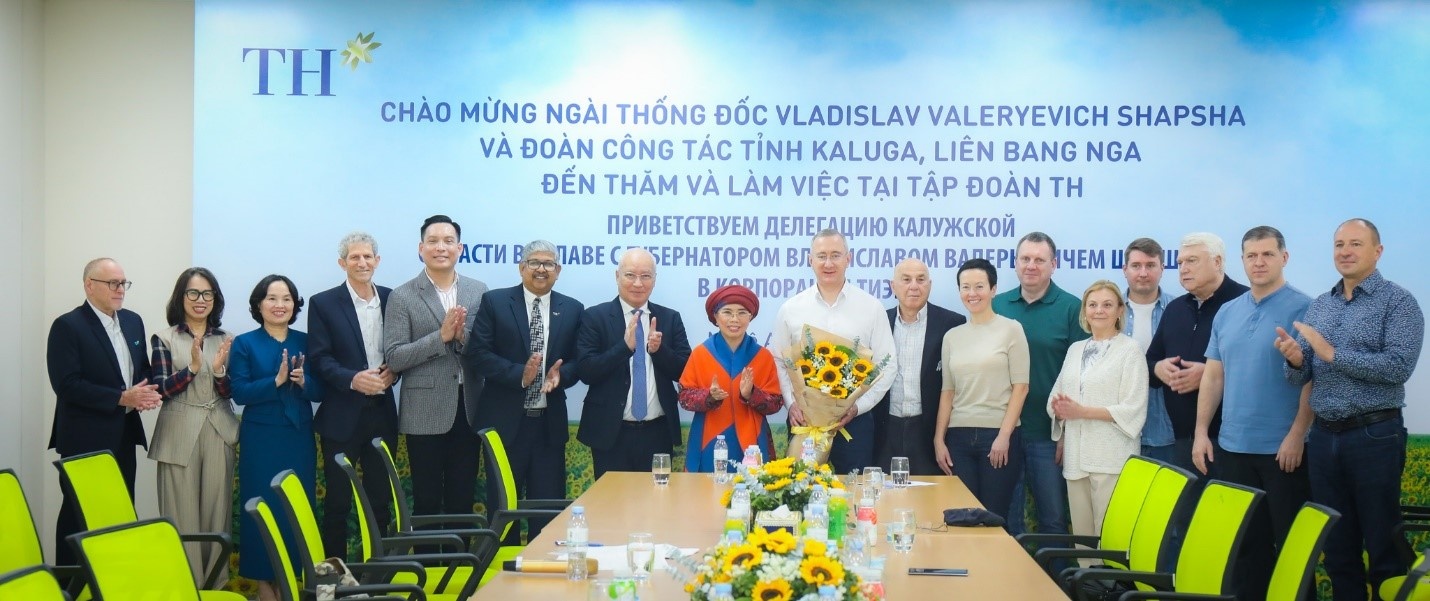
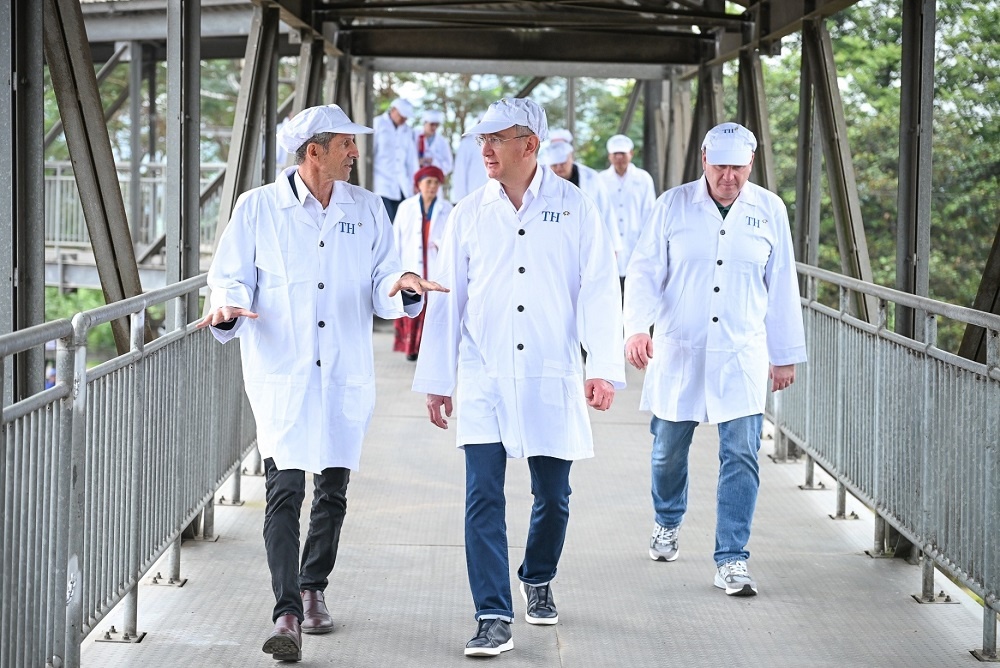
On November 23, Vladislav Valerievich Shapsha, Governor of Kaluga province, toured TH Group’s advanced dairy farm complex in Nghe An while in Vietnam to receive the Friendship Medal from the President. Earlier that day, he and his delegation met with provincial leaders and were briefed on TH Group’s contributions to local development over the past 15 years.

During his tour of TH’s high-tech closed-loop production facilities, Shapsha expressed deep admiration for the rapid growth and international achievements of the modern dairy farming model built in Nghia Dan under the leadership of Labour Heroine Thai Huong.

He noted that TH had not only effectively tapped into local economic potential but had also transformed traditional production methods, engaged local communities, and improved income and living standards for residents.

Kaluga governor praises TH Group’s world-leading dairy farm
Governor Shapsha (centre, white shirt) and his delegation were welcomed at TH Group’s dairy farm complex in Nghe An

The governor said he believed that TH Group’s success in Vietnam was being replicated in Kaluga, a province in central Russia about 190km from Moscow, and consistently ranked among the country’s top investment destinations. TH’s high-tech dairy farm and fresh milk processing plant in Kaluga, part of the group’s agricultural investment complex in Russia, has become one of the most prominent highlights in recent Vietnam–Russia economic cooperation.

Two years after his first official visit to Vietnam in 2023, Shapsha returned with a detailed working agenda. His priority this time was to observe firsthand the original model of TH’s large-scale, high-tech, closed-loop dairy farm in Nghe An – now being replicated in Kaluga as well as in TH’s projects in Moscow, the Far East Region, and the Republic of Bashkortostan.

Kaluga governor praises TH Group’s world-leading dairy farm
Governor Shapsha (middle) visits the milking area of TH Group’s Farm No.3

Welcoming the delegation, Thai Huong, founder and chairwoman of TH Group’s Strategic Council, said, “We are deeply moved to welcome you back. The deputy governor once told me that the road we are travelling today looks different from the past. He was right – this used to be one of Nghe An’s poorest regions. We have helped transform the area, bringing local people into the value chain, empowering them to improve their lives and prosper right on their homeland.”

Huong noted that tens of thousands of households have stable employment thanks to the project, their children have better schooling opportunities, and many young people have returned to work at the very farms and factories where they were born – a testament to TH’s social value.

In response, Shapsha congratulated Huong on receiving the Friendship Medal from President Vladimir Putin at the Kremlin days earlier. “Thanks to your professionalism and talent,” he said, “Kaluga now has modern dairy production and processing facilities. TH’s projects in Kaluga are not just about job creation – they symbolise the Vietnam-Russia comprehensive strategic cooperation.”

He also shared that Kaluga aims to reach a dairy output of one million litres per day within the next five years, adding, “We are delighted to walk this path with you. The provincial government will provide every possible support for TH’s investment activities.”

Kaluga governor praises TH Group’s world-leading dairy farm
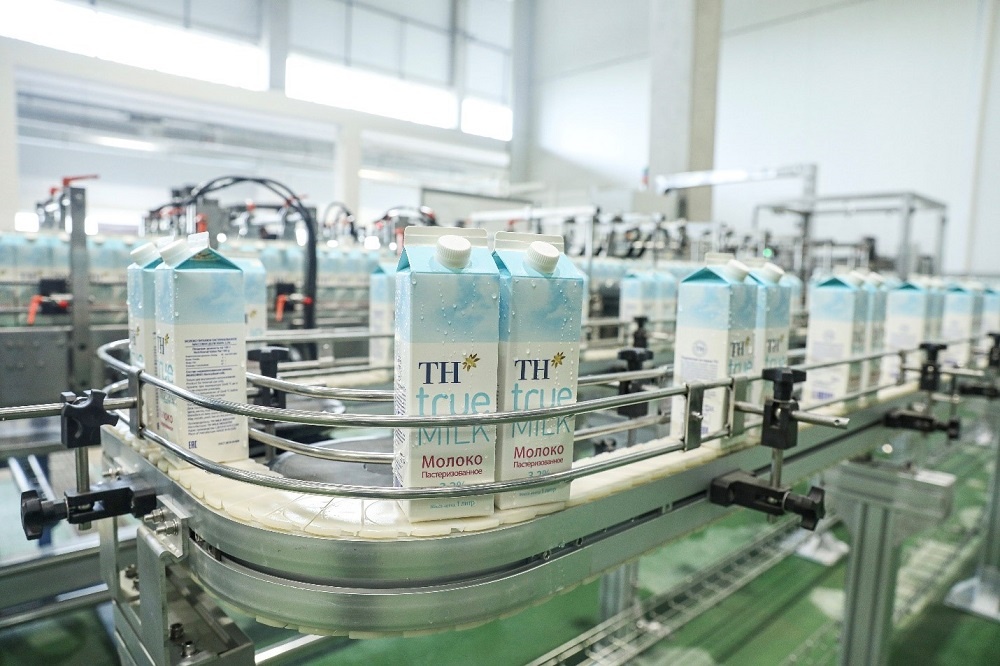
The TH true MILK brand officially appeared in Russia after TH Groups inaugurated its milk processing in Kaluga province in May 2025

TH’s dairy herd in Kaluga currently achieves one of the highest productivity levels in Russia, producing over 40 litres per cow per day. On May 11, the company inaugurated its fresh milk processing plant in Kaluga, with a total capacity of 1,000 tonnes per day (Phase 1: 500 tonnes/day), in a ceremony attended by Vietnamese General Secretary To Lam and Russian Deputy Prime Minister Dmitry Chernyshenko. The facility is among the largest milk processing plants in Russia.

The Kaluga delegation visited the milking area of Farm No.3, home to about 7,000 of the nearly 70,000 high-yield dairy cows imported from New Zealand and the United States. The farm features some of Vietnam’s most advanced milking systems, ensuring a completely sealed process from milking to packaging – preventing any air exposure and preserving the freshness, purity, and nutritional value of TH true MILK products.

Data plays a central role in ensuring milk quality and herd health. TH uses Afifarm, one of the world’s leading farm management technologies developed by Afimilk from Israel.

Each cow is fitted with an electronic chip on its leg or neck, acting as a ‘digital guardian’ that tracks and transmits real-time health and activity data to the central control centre. The milk-metering devices in the milking system record milk volume and quality indicators, helping detect and predict mastitis at an early stage.

The delegation next visited TH’s IVF laboratory, where the company has mastered in-vitro fertilisation technology, enabling the creation of high-quality purebred dairy cows with productivity comparable to America’s best breeds – right in Vietnam.

At TH’s feed mill – an essential link in the international-standard dairy farming chain – the delegation learned about the daily production and mixing of roughly 2,000 tonnes of feed for the 70,000-cow herd. The facility is equipped with advanced machinery and an ISO 17025-certified laboratory using near-infrared spectroscopy for raw material quality control.

The Kaluga delegation also toured the Nui Tien pure water, herbal, and fruit beverage factory. With an investment of $47 million, the plant is equipped with 100 per cent automated, energy-efficient, environmentally friendly production lines for purified water, natural juices, rice beverages, and herbal teas.

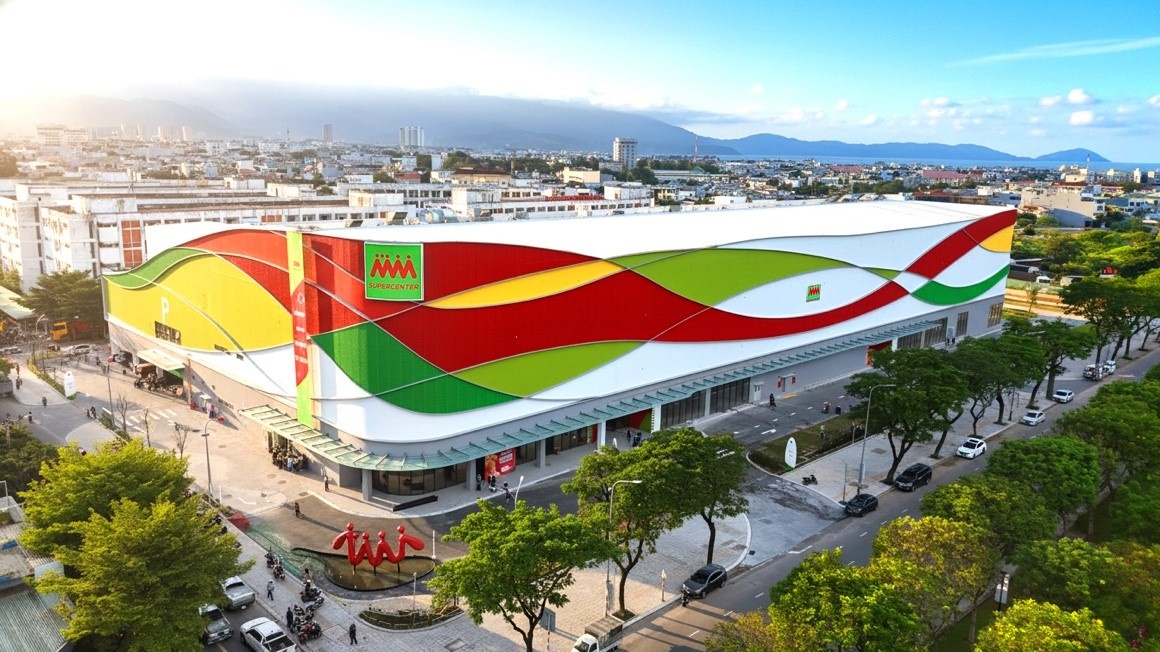
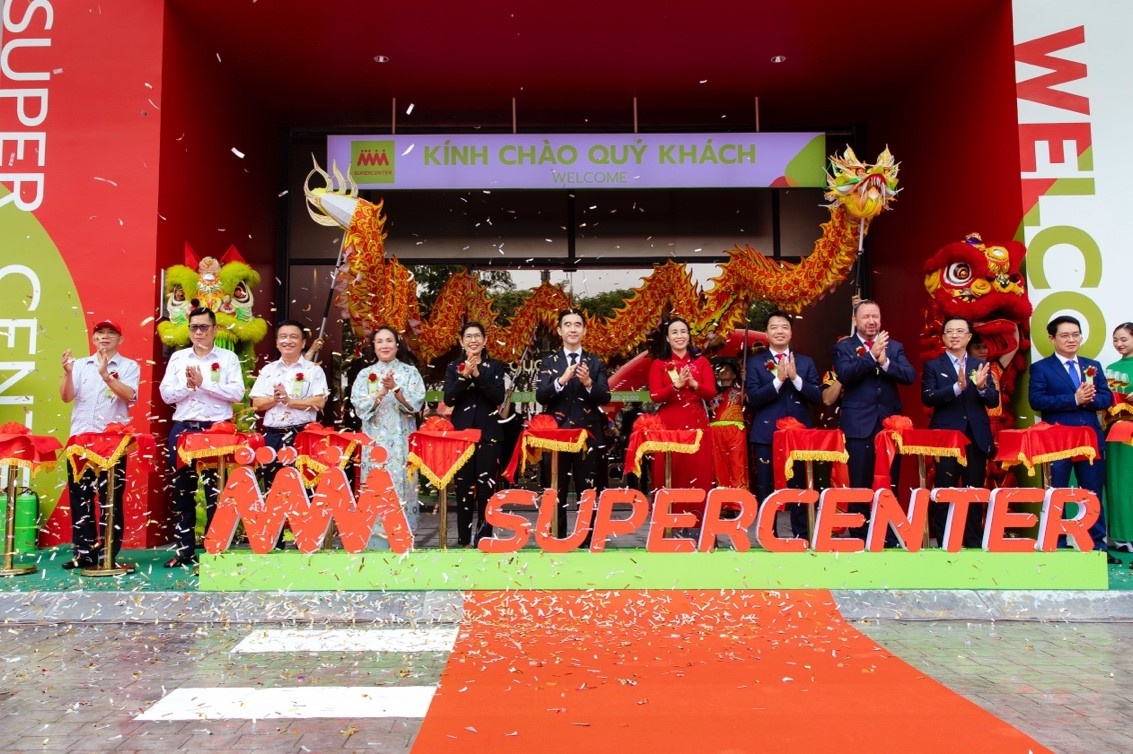
On November 17, MM Mega Market Vietnam (MMVN ) inaugurated the MM Supercentre Danang, the company’s first ‘supercentre’ in the country. The new centre represents a key milestone in MMVN’s growth strategy, introducing a modern retail concept that integrates technology, economic efficiency, and social responsibility to benefit consumers, communities, and the environment.

MM Mega Market Vietnam opens MM Supercentre Danang
MM Supercentre Danang with $20 million investment, located in Hoa Khanh ward, Danang city

Located in Hoa Khanh ward spanning nearly 20,000 square metres, MM Supercentre Danang represents a $20 million investment and is one of the key projects in MMVN’s expansion strategy in Vietnam.

The three-story facility hosts nearly 50 domestic and international brands, including CGV Cinema, Highlands Coffee, Phuc Long, Thai Siam Kitchen, Jollibee, Lotteria, Fahasa Bookstore, Guardian, Oh!Some, Mr. DIY, alongside a Hypermarket, a food court, and an edutainment area spanning thousands of square metres, offering a true ‘all-in-one’ experience for local customers and tourists.

At the event, Nguyen Duc Toan, managing director of MM Mega Market Vietnam, noted that the move marks an important milestone in the company’s more than 20-year journey alongside Vietnam.

MM Mega Market Vietnam opens MM Supercentre Danang
The supercentre represents the commitment of MM Mega Market Vietnam to enhance the customer experience

“We are evolving from a wholesale-retail chain into a multifunctional supercentre that combines retail, dining, services, and entertainment,” said Toan. “This reflects our long-term vision to enhance the customer experience, boost domestic consumption, and support Danang’s socioeconomic development. MM Supercentre Danang will be a modern, environmentally and consumer-friendly destination that creates sustainable economic value for the region”

“This development is highly significant, not only because it offers Danang residents a new modern retail and service destination, but also because it promotes retail trade, enhances convenience and quality of life, and meets the needs of the city’s people,” said Nguyen Thi Anh Thi, vice chairwoman of the municipal People’s Committee. “In particular, it provides fresh momentum for socioeconomic development in Hoa Khanh ward, an area undergoing rapid transformation with several key infrastructure projects.”

Situated at the city’s northwest gateway, MM Supercentre Danang is also positioned to serve as MMVN’s key distribution hub in central Vietnam, helping shorten product supply journeys, optimise logistics costs, and strengthen regional supply chain connectivity.

The new centre also embodies MM Mega Market’s commitment to green and digital economic development in Vietnam, as it has been designed to meet EDGE Advanced (Excellence in Design for Greater Efficiencies) Green Building standards, certified by the International Finance Corporation, a member of the World Bank Group.

It pioneers energy-saving, emission-reducing, and operationally efficient solutions, including smart lighting, water-saving equipment, advanced insulation materials, and automated energy management systems – significantly reducing electricity and water consumption and carbon emissions.

At the same time, MMVN has implemented a comprehensive digital transformation at the centre, including cashless payment systems, real-time customer data management, and the MM Click and Get online shopping platform.

These innovations enhance operational efficiency, optimise the user experience, and advance MMVN’s vision of a ‘Greener, Smarter, and More Sustainable’ retail ecosystem.

MM Supercentre Danang underscores MMVN’s deep commitment to the local community and sustainable Vietnamese supply chains. Continuing the principle of ‘Supporting Vietnamese Products for Sustainable Growth’, over 90 per cent of products are of Vietnamese origin, contributing to the promotion of local goods and strengthening the competitiveness of small- and medium-sized enterprises.

In particular, the One Commune, One Product (OCOP) and local speciality area features over 100 products displayed prominently to entice local and international customers. Before the opening, MMVN signed agreements with the People’s Committees of Hoa Khanh and Hai Van wards to integrate OCOP and local speciality products into modern distribution channels.

Beyond boosting retail and service infrastructure, the venture also creates nearly 500 local jobs, providing a new economic boost for central Vietnam’s retail sector, which is experiencing rapid urbanisation and growing consumer demand.

At the grand opening event, MMVN, together with TCC/BJC Group subsidiaries in Vietnam and partner contractors, donated VND425 million ($17,000) to Danang People’s Committee to support communities affected by natural disasters, demonstrating a spirit of community and highlighting MMVN’s commitment to both economic development and social welfare initiatives.

MM Mega Market Vietnam named among Best Companies to Work for in Asia 2021 by HR Asia MM Mega Market Vietnam named among Best Companies to Work for in Asia 2021 by HR Asia

Thai-backed retailer MM Mega Market Vietnam has carved out a spot in the list of 115 companies in Vietnam to receive the Best Companies to Work for in Asia award by HR Asia, the leading human resources magazine in Asia.

MM Mega Market Vietnam championed for Green Leadership MM Mega Market Vietnam championed for Green Leadership

Thai-backed retailer MM Mega Market Vietnam (MM) was honoured as one of the top Asian enterprises to receive the 2022 Asia Responsible Enterprise Award (AREA 2022) for Green Leadership at the virtual awards ceremony held by Enterprise Asia on July 21.

Retailers speed up welcome to Tet holidays Retailers speed up welcome to Tet holidays

As the end of 2024 approaches, supermarkets and shopping malls nationwide are launching Tet products and promotions, with discounts aimed at boosting consumer spending during the festive season.